
Speculation around a full remake of The Legend of Zelda: Ocarina of Time has accelerated in 2026, with multiple reports linking the project to the Nintendo Switch 2. While Nintendo has not officially confirmed anything, the consistency of recent leaks and industry chatter suggests there may be more substance behind the rumors than in previous years.
Recent coverage has pointed toward a possible 2026 release window, with some insiders claiming the project is intended as a major mid-cycle title for the Switch 2. There are also suggestions of a themed console bundle tied to the release, which would align with Nintendo’s strategy of pairing major franchises with hardware momentum. At the same time, not all sources agree on the certainty of these claims. Some reports present the remake as highly likely, while others stress that plans could still shift before any official reveal.
The timing itself makes strategic sense. The Switch 2 is now moving beyond its launch phase, and Nintendo typically relies on recognizable properties to maintain engagement rather than cutting hardware prices early. A remake of Ocarina of Time would serve as a strong anchor release, appealing to both long-time fans and newer players who may not have experienced the original.
Looking at the broader industry provides useful context for what this remake could become. In recent years, high-profile remakes like Final Fantasy VII Remake and Resident Evil 4 have taken an expansive approach, rebuilding classic games with modern systems and, in some cases, significantly altering structure and pacing. Others, such as Dead Space, have focused on preserving the original experience while upgrading visuals, audio, and mechanics to contemporary standards.
Nintendo’s own history suggests a more restrained direction. When it released The Legend of Zelda: Ocarina of Time 3D, the company improved visuals and controls but kept the core design almost entirely intact. That approach respected the original but also reflected the expectations of its time. A new remake would likely need to go further, as modern audiences expect more substantial upgrades from projects of this scale.
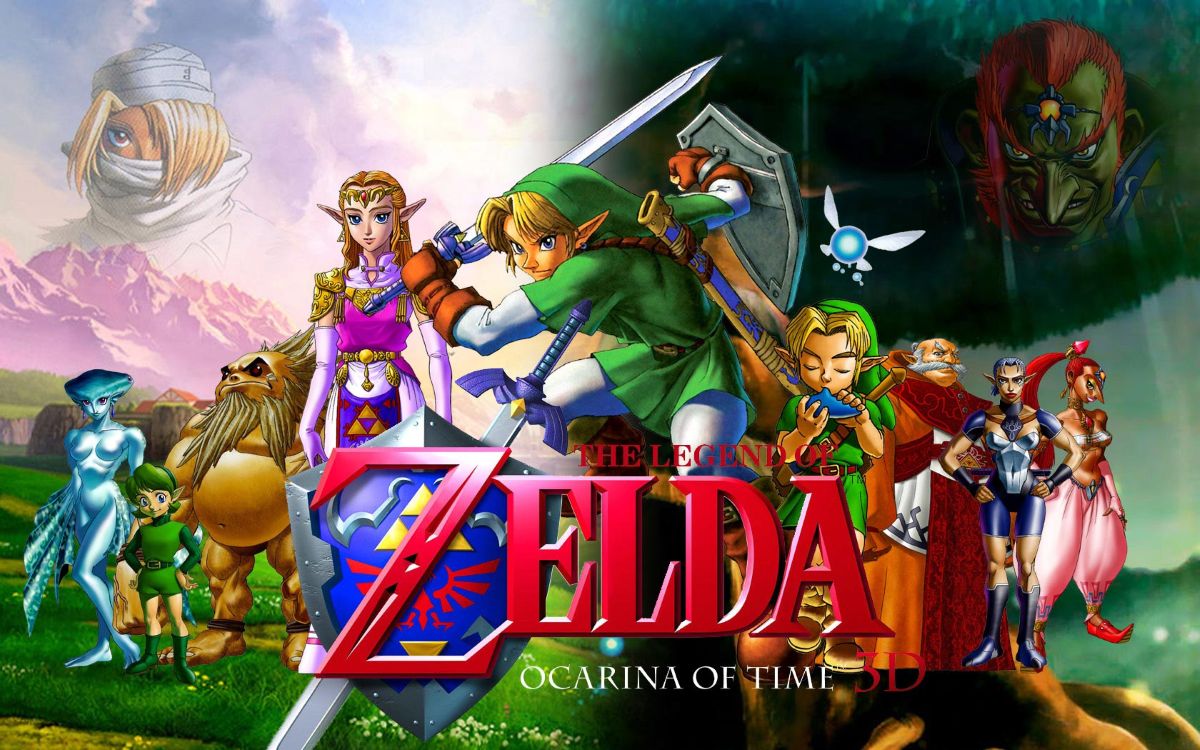
If the remake is real, it would almost certainly take advantage of the Switch 2’s improved hardware. That could mean fully rebuilt environments, more detailed character models, modern lighting systems, and smoother performance.
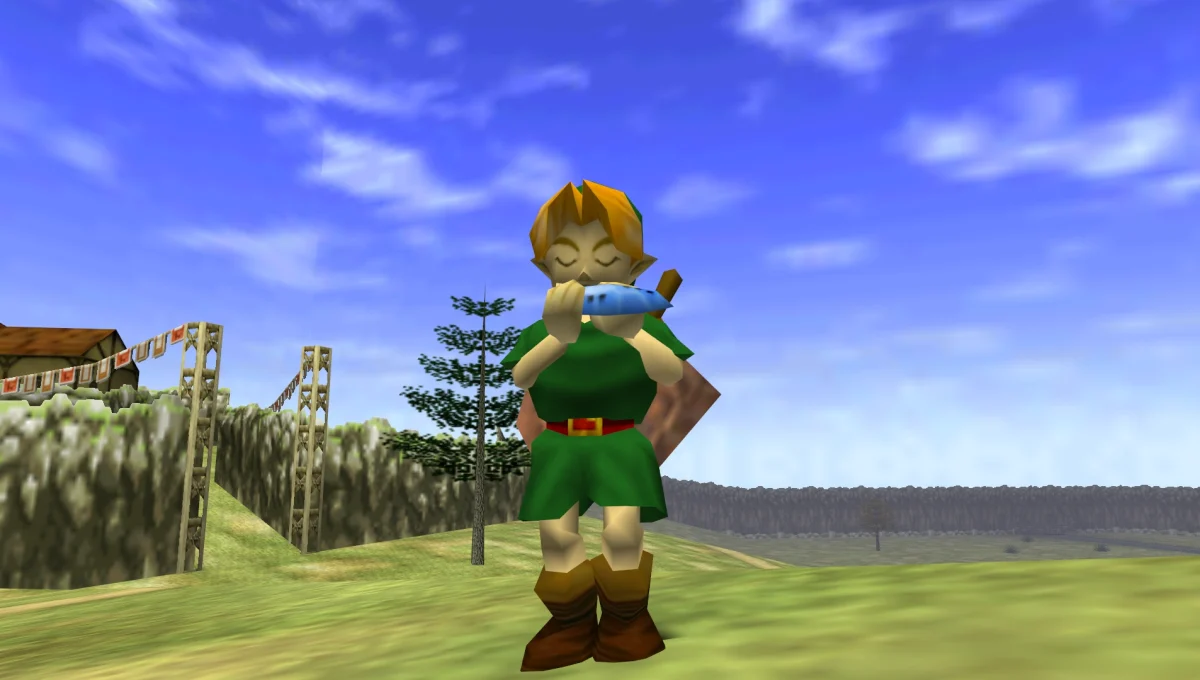
Areas like Hyrule Field, which were constrained by hardware limitations in the original release, could be expanded or made more dynamic. At the same time, Nintendo would need to decide how much to adjust core gameplay systems such as combat, camera control, and progression.
This is where the challenge lies. Ocarina of Time is not just another legacy title. It is widely regarded as a foundational work in 3D game design, and its structure has influenced decades of releases.
Changing too much risks undermining what made it effective, while changing too little could make the remake feel dated. Striking the right balance between preservation and modernization is critical, and it is one of the main reasons Nintendo has not revisited the game in a major way since the 3DS version.
For now, the situation remains unresolved. There is no official confirmation, no gameplay footage, and no verified release date. What exists is a growing body of consistent reports, supported by industry trends and Nintendo’s own historical patterns. That combination keeps the rumor credible, but still unproven.
Until Nintendo formally announces a remake of The Legend of Zelda: Ocarina of Time for the Nintendo Switch 2, it remains a strong possibility rather than a confirmed project. The interest is justified, and the timing aligns, but the final answer will depend entirely on when, or if, Nintendo chooses to reveal it.