

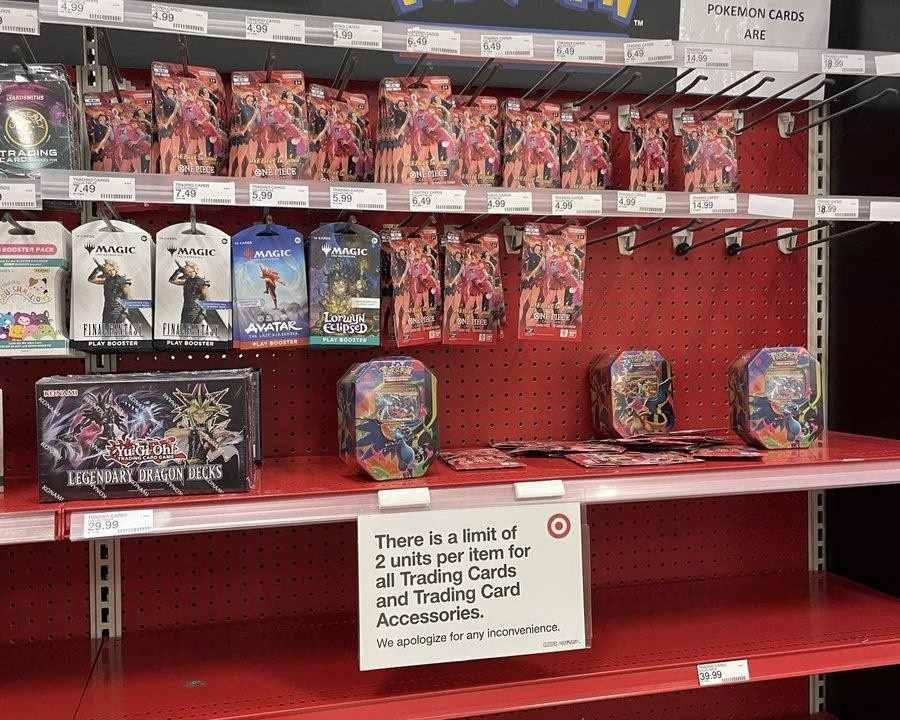
The ongoing shortage of Pokémon Trading Card Game (TCG) products has become one of the most persistent issues in the collectibles market, with demand continuing to exceed supply despite massive production increases. Even with more than 10 billion cards printed in 2025 alone, new sets consistently sell out within minutes of release.
The situation has been further complicated by large-scale reselling activity, where limited-edition products are quickly bought in bulk and listed at inflated prices online. In some regions, Pokémon card releases have even been linked to theft incidents and store break-ins, highlighting the extreme demand surrounding the franchise.
Nintendo acknowledges scalping concerns at shareholder meeting
The issue was directly raised during a recent Nintendo shareholder meeting, where company president Shuntaro Furukawa addressed concerns regarding the Pokémon TCG market. He confirmed that Nintendo is aware of the growing challenges and is working closely with The Pokémon Company, its equity-method subsidiary, to improve product distribution.
“We are aware of instances where limited-quantity cards are purchased in large volume, leading to high-priced reselling in the market,”
Furukawa stated.
Furukawa emphasized that discussions are ongoing between Nintendo and The Pokémon Company to ensure more balanced access to products for consumers worldwide.
Made-to-order sales and verification systems planned
To address scalping directly, The Pokémon Company is introducing a series of countermeasures aimed at reducing bulk buying and ensuring fairer distribution. One of the key changes includes made-to-order sales, which will allow customers to purchase products without relying solely on limited stock drops.
Additionally, the company is implementing agreements with online marketplace operators to help regulate resale activity and limit excessive markups on secondary markets.
For certain high-demand releases, The Pokémon Company is also exploring stricter verification systems for online lotteries. In Japan, this could involve the use of My Number Cards, the government-issued identification system, to ensure fair participation and reduce bot-driven purchases.
Production continues to rise, but demand remains extreme
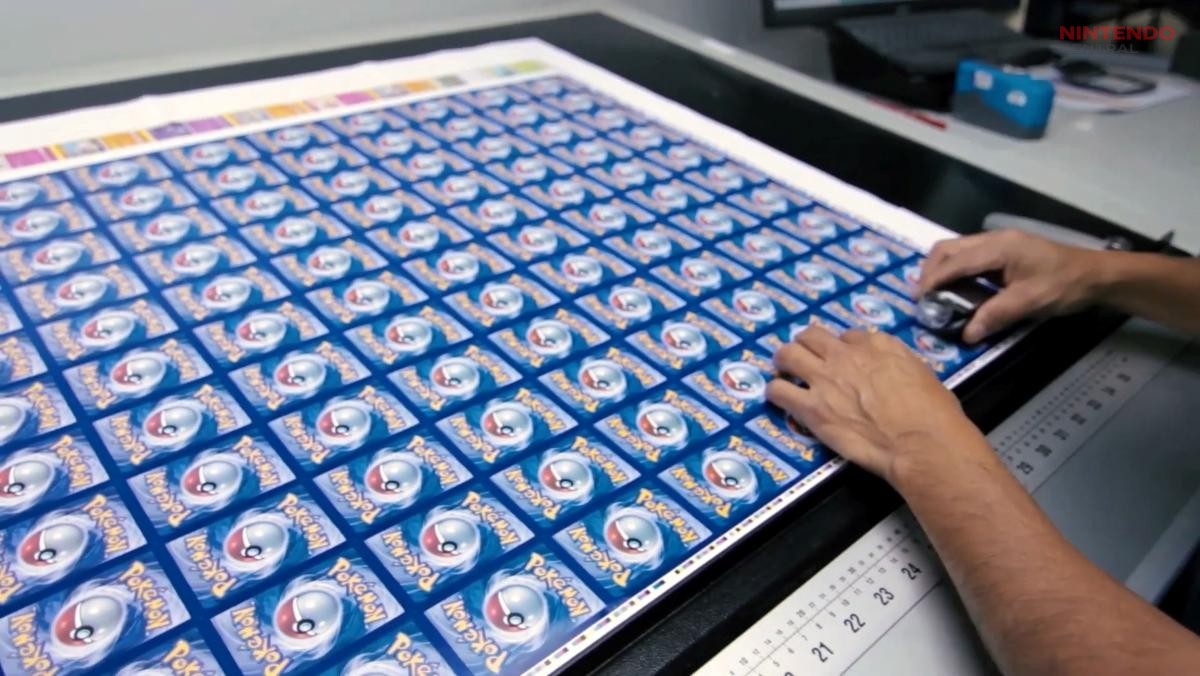
Despite aggressive manufacturing efforts, Pokémon card demand shows no signs of slowing. According to official figures, approximately 85 billion Pokémon cards have been produced since the franchise began, with nearly half of that total manufactured in just the past few years.
Production has significantly increased since 2022, but even expanded output has struggled to match global demand. The upcoming 30th anniversary Pokémon TCG set is expected to further intensify interest, making supply management an ongoing challenge for The Pokémon Company.
A long-term challenge for Nintendo and Pokémon
Nintendo’s latest comments highlight a broader industry issue: balancing global demand with fair consumer access. While production continues to scale, the company acknowledges that distribution methods must evolve alongside market behavior.
Furukawa concluded that Nintendo will remain in close coordination with The Pokémon Company, reinforcing that additional measures may still be introduced depending on how the situation develops.
For now, made-to-order sales and buyer verification systems represent the most concrete steps yet in addressing one of the most competitive and fast-moving collectibles markets in gaming history.