
Trading is one of the most useful features in Pokémon GO, allowing players to exchange Pokémon with friends and improve their collections. Whether you are trying to complete your Pokédex, get better IV stats, or obtain region-exclusive Pokémon, trading plays a crucial role in the overall gameplay experience.
At first, the trading system might seem confusing due to requirements like Stardust costs, friendship levels, and distance limits. However, once you understand how it works, trading becomes a powerful tool for progression.
Unlike traditional Pokémon games, Pokémon GO trading includes unique mechanics such as Lucky Pokémon and IV re-rolls, making every trade potentially valuable.
Let’s break down how to trade in Pokémon GO, including step-by-step instructions, requirements, and tips to maximize your trades.
Requirements for Trading in Pokémon GO
Before you can trade in Pokémon GO, there are a few basic requirements.
You must be at least Trainer Level 10 to unlock trading. You also need to be friends with the person you want to trade with. Friendship levels matter because they affect the Stardust cost of trades.
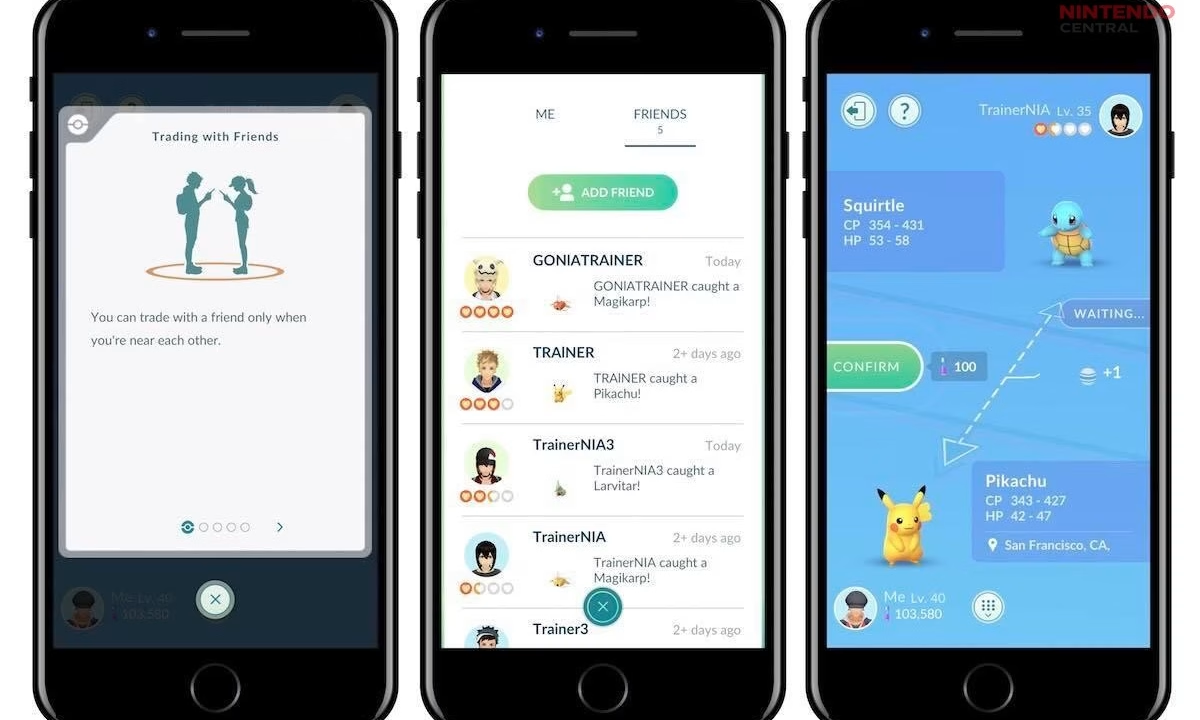
Another important requirement is proximity. Both players must be physically near each other, usually within 100 meters, to complete a trade.
Finally, trading costs Stardust. The amount depends on the Pokémon being traded and your friendship level. Special trades, such as Legendary or shiny Pokémon, cost significantly more.
Step-by-Step Guide: How to Trade Pokémon
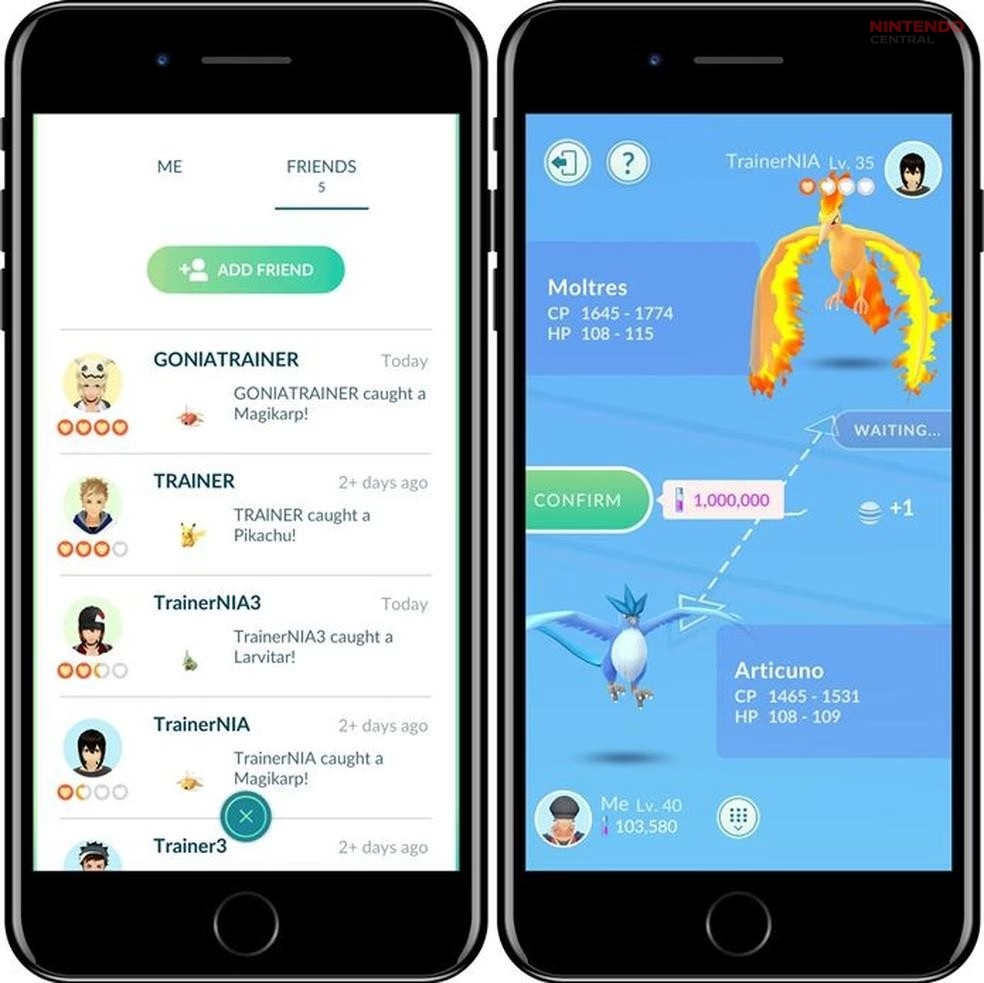
Trading in Pokémon GO is simple once you know the steps.
First, open your Friends list and select the friend you want to trade with. Tap the “Trade” button to begin the process.
Next, both players choose the Pokémon they want to exchange. You can preview CP, HP, and other details before confirming.
Once both players are ready, confirm the trade. The game will show the Stardust cost, and once accepted, the Pokémon will be exchanged.
After the trade is complete, the Pokémon’s IV stats will change. This means trades can result in stronger or weaker Pokémon, adding an element of chance.
Not all trades are the same in Pokémon GO. Special trades include Legendary Pokémon, shiny Pokémon, and Pokémon not already registered in your Pokédex.
You can only perform one special trade per day, and they cost more Stardust. However, higher friendship levels can significantly reduce this cost.
One of the best outcomes of trading is getting a Lucky Pokémon. Lucky Pokémon require less Stardust to power up and usually have better minimum IV stats.
Lucky trades are more likely when trading older Pokémon or when you have a high friendship level with the other player.
Tips to Reduce Stardust Costs and Trade Smarter
To trade efficiently in Pokémon GO, focus on increasing your friendship level. Sending gifts daily and participating in raids together will help you level up faster.
Higher friendship levels reduce Stardust costs, especially for special trades. This makes a big difference when trading rare Pokémon.
You should also save Stardust for important trades. Avoid spending large amounts on low-value exchanges.
Finally, consider trading duplicate Pokémon. This increases your chances of getting better IV stats without risking valuable Pokémon.