
Pokémon GO revolutionized gaming by turning the real world into a playground. But despite its massive popularity, one thing has remained consistent since launch. The game was designed primarily for smartphones, and not every device can handle it properly.
Over the years, players have tried everything from tablets and smartwatches to dedicated gaming accessories to improve their experience. Some of these work surprisingly well, while others fail due to hardware limitations or lack of official support.
Understanding what devices actually work with Pokémon GO is crucial if you want a smooth, lag-free experience. It is not just about downloading the app. It is about having the right hardware, sensors, and connectivity.
Let’s break down why Pokémon GO is so device-specific, what officially works beyond smartphones, and which alternatives are actually worth using.
Why Pokémon GO Was Built for Smartphones
At its core, Pokémon GO relies on three essential technologies. GPS tracking, mobile data, and real-time rendering. These are all features that smartphones are uniquely designed to handle.
To run properly, the game requires a strong internet connection, GPS location services, and a compatible operating system.
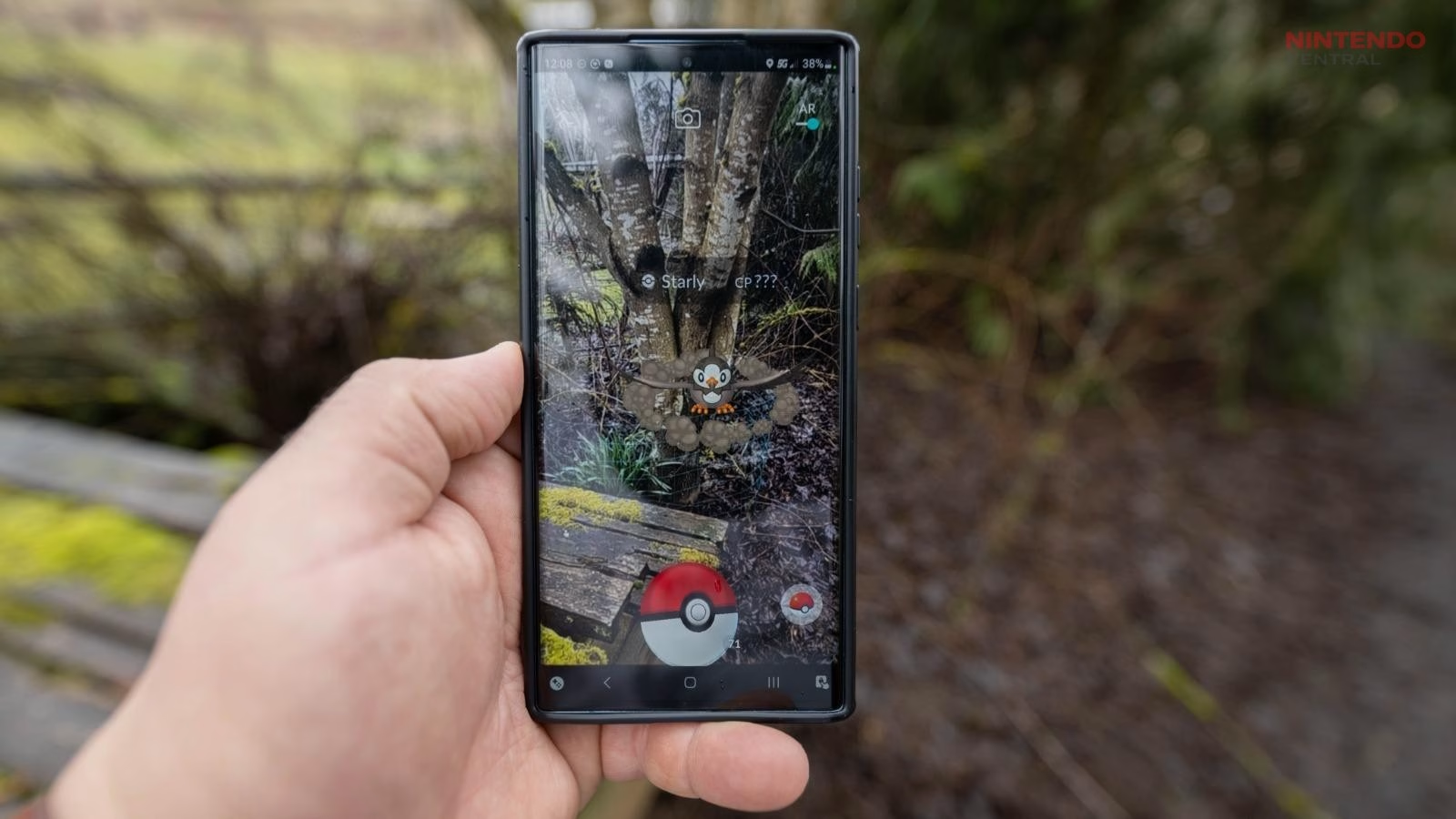
Modern requirements are even stricter. The game now needs Android 9 or higher or updated iOS versions, along with sufficient RAM and processing power.
Additionally, Pokémon GO has phased out support for older hardware. As of 2025, 32-bit Android devices are no longer supported, meaning many older phones simply cannot run the game anymore.
This explains why smartphones remain the primary platform. They combine portability, connectivity, and sensor accuracy in a way that other devices struggle to match.
Why Many Devices Simply Don’t Work
A common misconception is that any device with a screen and an internet connection can run Pokémon GO. That is not true.
Tablets are one of the biggest examples. While some tablets can technically install the game, many lack built-in GPS sensors or stable mobile connectivity. Without accurate location tracking, the game becomes nearly unplayable.
Older smartphones face similar issues. Devices with low RAM, outdated operating systems, or weaker processors may struggle to render the map, causing lag, crashes, or incomplete visuals.
Even rooted or jailbroken devices are not supported, as the game relies on security checks to prevent cheating.
In short, Pokémon GO is not just about compatibility. It is about performance. A device might technically run the game but still fail to deliver a playable experience.
Official Accessories That Expand the Experience
While smartphones are essential, several official accessories enhance gameplay significantly. These devices do not replace your phone but extend how you interact with the game.
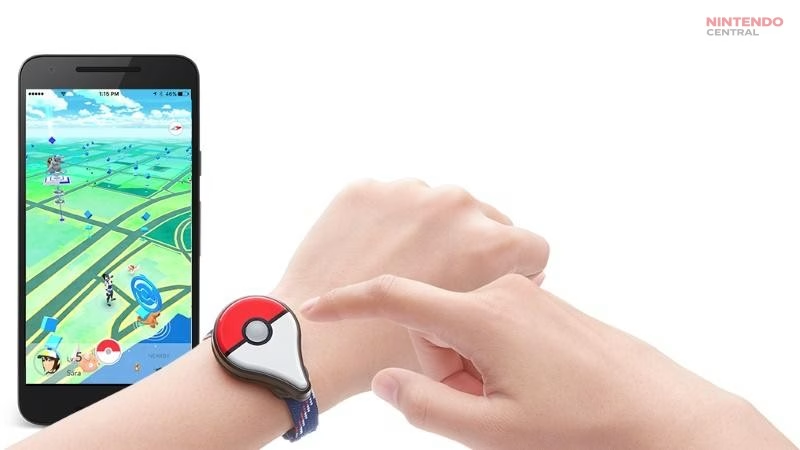
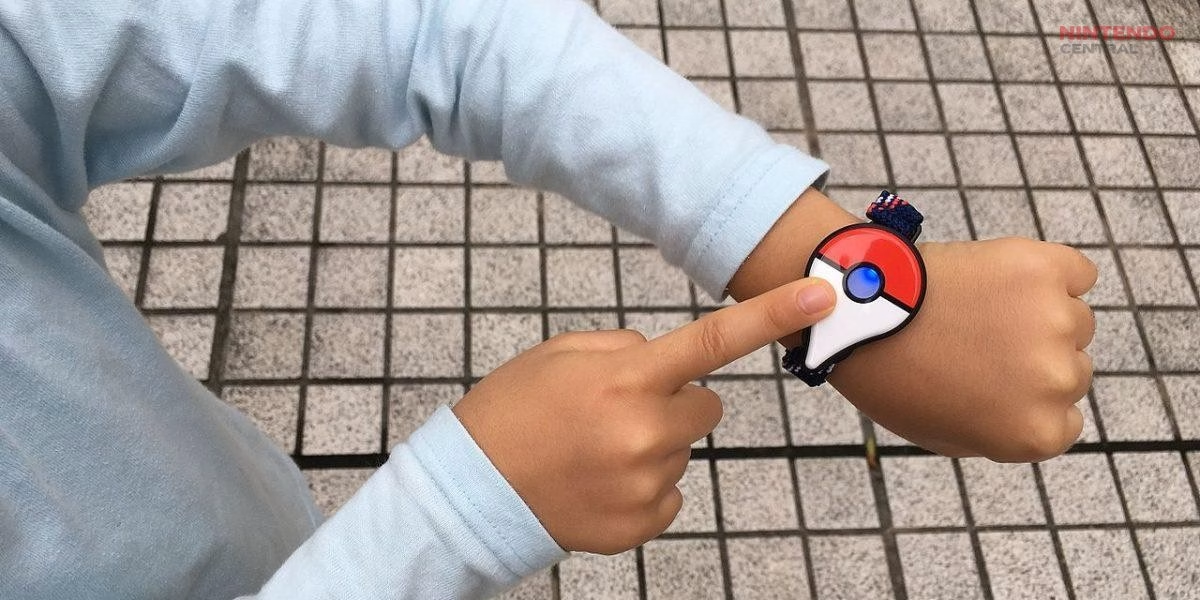
One of the most popular is the Pokémon GO Plus, a Bluetooth wearable that allows players to catch Pokémon and spin PokéStops without looking at their phone. It vibrates when nearby actions are available, making it perfect for passive gameplay.
Another option is the Poké Ball Plus, which functions similarly but adds a more immersive, controller-like experience. It also connects with other Pokémon games, making it a versatile accessory.
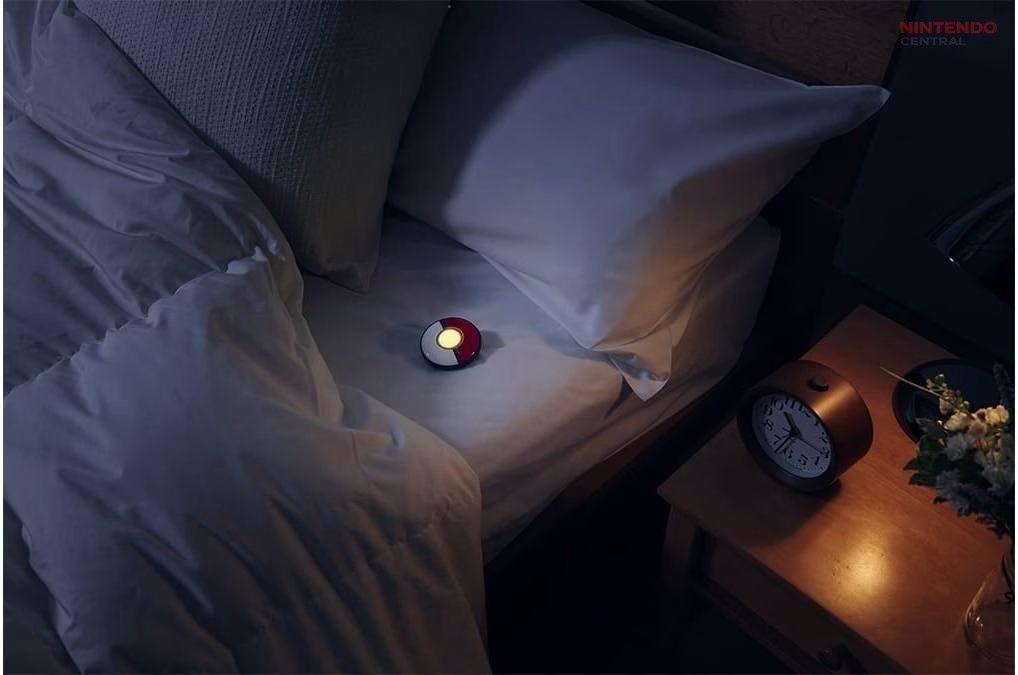
More recently, the Pokémon GO Plus+ has introduced additional features like sleep tracking integration, expanding the ecosystem beyond traditional gameplay.
These accessories work because they complement the smartphone rather than replace it. They rely on Bluetooth connectivity and still require the main app to function.
Can You Play Pokémon GO on Smartwatches or Wearables?
Smartwatches once had limited support for Pokémon GO, but that has largely been discontinued. Earlier versions allowed basic tracking and notifications, but these features were eventually removed as the game evolved.
The main issue is hardware limitation. Smartwatches typically lack the processing power and battery capacity needed for a full AR-based experience. They are designed for quick interactions, not continuous GPS-based gameplay.
However, wearable accessories like Pokémon GO Plus devices fill this gap effectively. They provide a simplified interaction layer without needing a full interface.
So while smartwatches themselves are not viable platforms anymore, wearables still play a role through specialized accessories.
Tablets and Alternative Devices: What Actually Works
Tablets fall into a gray area. Some high-end tablets with GPS and strong processors can run Pokémon GO, but the experience is not always optimized.
The game is designed for smartphone screen ratios and touch controls, which means tablet layouts can feel awkward. Additionally, performance may vary depending on the device’s hardware and network capabilities.
Laptops and PCs are not supported at all unless using emulators, which violate the game’s terms of service and can lead to account bans.
Gaming consoles are also not compatible. Despite Pokémon being a Nintendo franchise, Pokémon GO remains a mobile-exclusive experience.
The takeaway is simple. If a device lacks GPS, mobile data, or proper OS support, it will not deliver a reliable Pokémon GO experience.
The Hidden Factors That Affect Performance
Even with a compatible device, performance can vary based on several factors.
GPS accuracy is one of the biggest. In crowded areas or places with weak signals, the game may struggle to track your location properly.
Network quality also plays a major role. Pokémon GO requires constant data exchange, so weak connections can cause delays or failed interactions.
Battery life is another critical factor. The game is resource-intensive, often draining battery quickly due to continuous GPS and screen usage.
Finally, device temperature can impact performance. Extended play sessions can cause overheating, leading to lag or forced shutdowns.
These factors highlight why simply having a compatible device is not enough. You need a device that can sustain performance over time.
What Actually Works Best Beyond Your Smartphone
So what is the best setup for Pokémon GO? The ideal experience combines a modern smartphone with a compatible accessory. A phone with strong GPS, updated OS, and sufficient RAM ensures smooth gameplay, while accessories like Pokémon GO Plus enhance convenience.
For players who want efficiency, using wearables to automate simple actions like catching and spinning PokéStops can save time and effort.
For casual players, a single capable smartphone is enough. But for dedicated players, optimizing your setup can significantly improve your experience.
The key is understanding that Pokémon GO is not meant to be played across multiple platforms. It is designed as a mobile-first experience with optional enhancements.