

Pokémon GO has changed dramatically since its launch in 2016. Over the years, Niantic introduced major systems like raids, PvP battles, Routes, Mega Evolution, Daily Adventure Incense, and Party Play. However, while new mechanics helped the game evolve, several older features quietly disappeared, were heavily modified, or lost much of what made them popular in the first place.
Many longtime players still discuss removed or downgraded features across Reddit, The Silph Road, YouTube discussions, and community forums. Some systems encouraged stronger social interaction, while others made the game feel more rewarding or accessible. In several cases, players argue that older versions of features were simply more fun than the current alternatives.
The original Pokémon tracking system, EX Raids, longer Community Day windows, pandemic-era Incense bonuses, and certain raid mechanics remain especially nostalgic topics within the community. Discussions surrounding returning-player experiences also frequently mention how much the game has changed over time and which systems players miss most.
Here are the Pokémon GO features players most want to see return in 2026.
Many Players Still Miss EX Raids
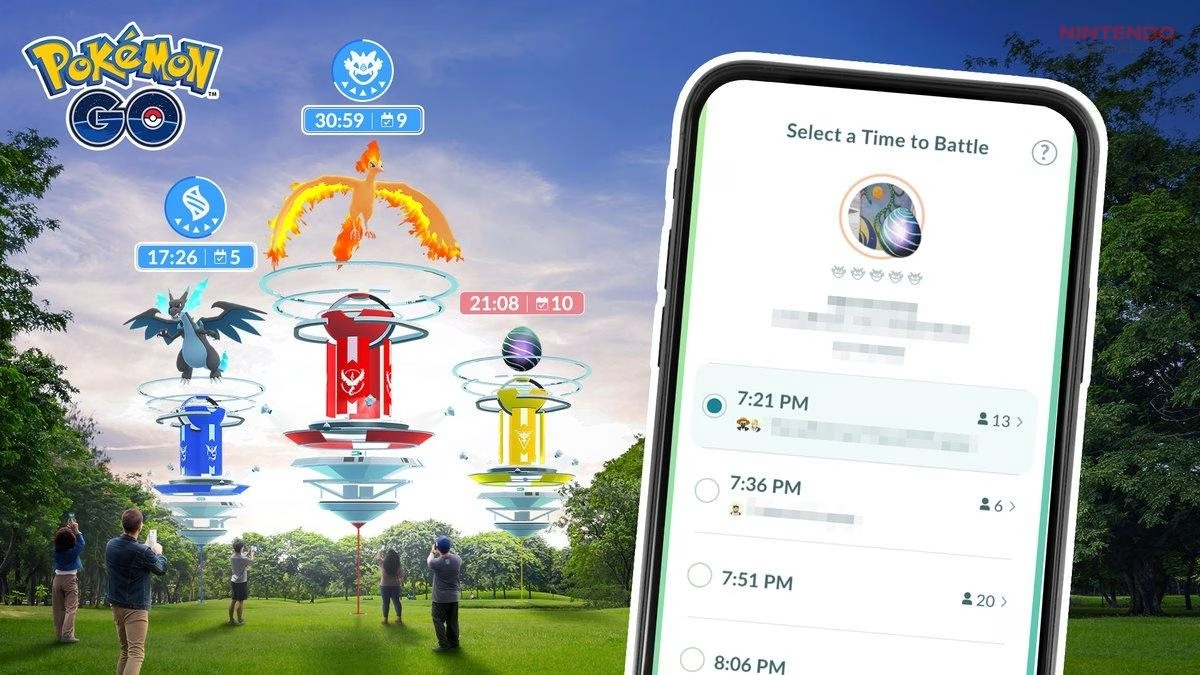
EX Raids remain one of the most requested returning features in Pokémon GO history. Introduced as invitation-only raids, EX Raids created a sense of exclusivity and community coordination that many players still remember fondly.
The system worked differently from normal raids. Players who completed raids at specific Gyms had a chance to receive invitations for future EX Raid events. These raids often featured highly desirable Pokémon like Mewtwo, Deoxys, and Regigigas before they became widely available.
What made EX Raids special was the social atmosphere. Entire local communities often gathered at specific times to complete difficult raids together. For many trainers, EX Raids represented Pokémon GO at its most community-focused stage.
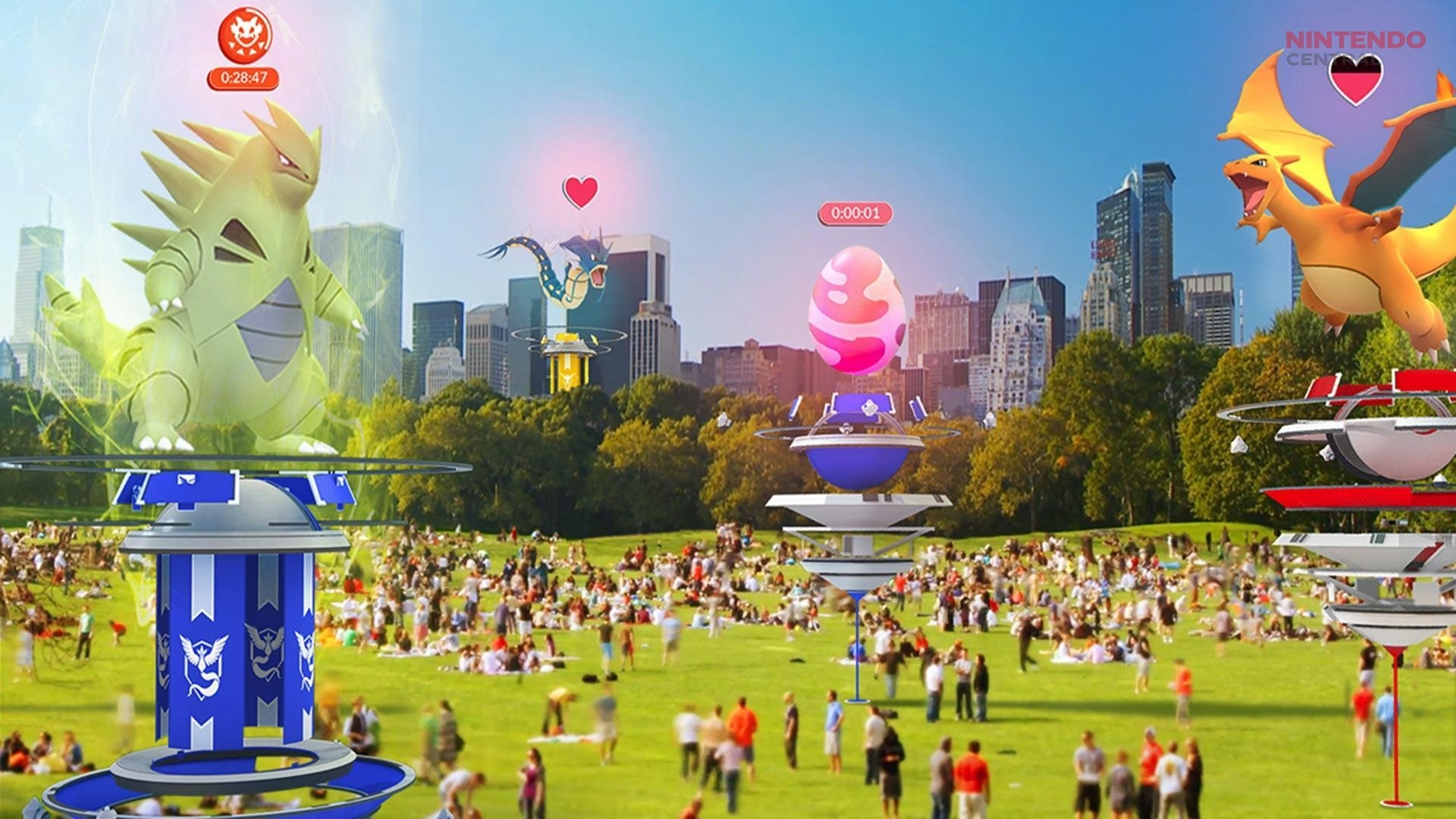
Several community discussions and Facebook group posts still mention EX Raids as an underrated feature that should return in some form.
The removal of EX Raids likely happened because standard raid systems became easier to manage globally. Remote Raid Passes also changed how players approached raid coordination entirely. However, some players argue that modern raids feel less memorable because they lack the excitement and anticipation that EX invitations created.
A modernized version of EX Raids integrated with Campfire or Party Play could potentially restore some of that old excitement while fitting Pokémon GO’s current systems.
The Original Footstep Tracking System Is Still Iconic
One of the oldest removed Pokémon GO features remains surprisingly memorable: the original footstep tracking system.
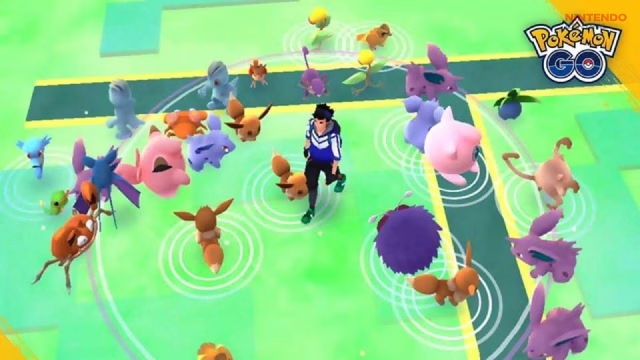
At launch, Pokémon GO displayed nearby Pokémon alongside footprints intended to show how close they were to the player. Fewer footprints meant the Pokémon was nearby, while more footprints indicated greater distance.
Unfortunately, the infamous “three-step glitch” broke the system shortly after launch. Niantic eventually removed footprints entirely, replacing them with the modern Nearby system.
Although the original system was flawed, many players still miss the feeling of actively hunting Pokémon without exact PokéStop indicators. The footprint mechanic made exploration feel mysterious and unpredictable in a way that modern tracking systems sometimes do not.
Community nostalgia around early Pokémon GO often focuses heavily on the excitement of manually searching neighborhoods for rare Pokémon using limited clues. Even years later, YouTube videos and Reddit discussions continue revisiting the original radar system and how immersive it felt compared to newer interfaces.
Modern Nearby tracking is certainly more practical, but some players believe the older system captured the spirit of exploration more effectively.
Pandemic-Era Incense Bonuses Were Much More Accessible
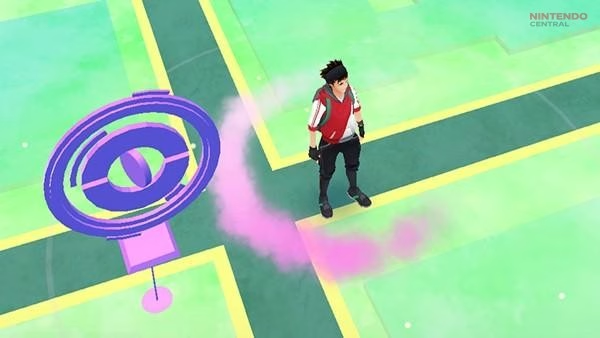
One of the most controversial Pokémon GO changes involved Incense adjustments after pandemic-era bonuses ended.
During the global pandemic period, Incense became dramatically more effective while players were stationary. This allowed people to participate from home safely and made the game far more accessible for disabled players, rural trainers, and people with limited mobility.
When Niantic reduced these bonuses later, community backlash was immediate. Reddit discussions from the time showed many players arguing that the newer Incense system felt far less rewarding unless players walked constantly outdoors.
Criticism focused heavily on accessibility concerns. Some players pointed out that stationary Incense made Pokémon GO more inclusive for people who physically could not walk long distances regularly.
Others argued that stronger Incense simply respected player time better. Trainers with jobs, families, or bad weather conditions appreciated being able to enjoy events from home occasionally.
Even though Daily Adventure Incense later introduced stronger movement-based rewards, many players still want the older stationary bonuses restored permanently.
This remains one of the clearest examples where community preferences and Niantic’s exploration-focused design philosophy conflicted directly.
Longer Community Day Hours Need to Return
Community Day events remain among Pokémon GO’s most popular recurring features, but many players still miss the older six-hour event windows.
Niantic eventually shortened most Community Days to three-hour windows before later partially adjusting schedules again after heavy backlash. The company argued that shorter windows encouraged stronger community participation during concentrated periods.
However, many players strongly disagreed. Reddit discussions from the time frequently mentioned work schedules, family responsibilities, extreme weather, and accessibility concerns.
For casual players especially, longer Community Day windows reduced stress significantly. Trainers could participate at their own pace instead of feeling pressured to optimize a narrow timeframe.
Longer hours also helped different regions and communities coordinate more naturally. Players in urban areas with active communities could still gather together, while rural or solo players retained flexibility.
The debate surrounding Community Day timing became symbolic of a broader issue within Pokémon GO: balancing structured social gameplay with player convenience.
Even today, many trainers still believe the longer event windows created a healthier and less restrictive experience overall.
Weekly Research Breakthroughs Used to Feel More Exciting
Research Breakthrough rewards were once one of Pokémon GO’s most exciting progression systems.
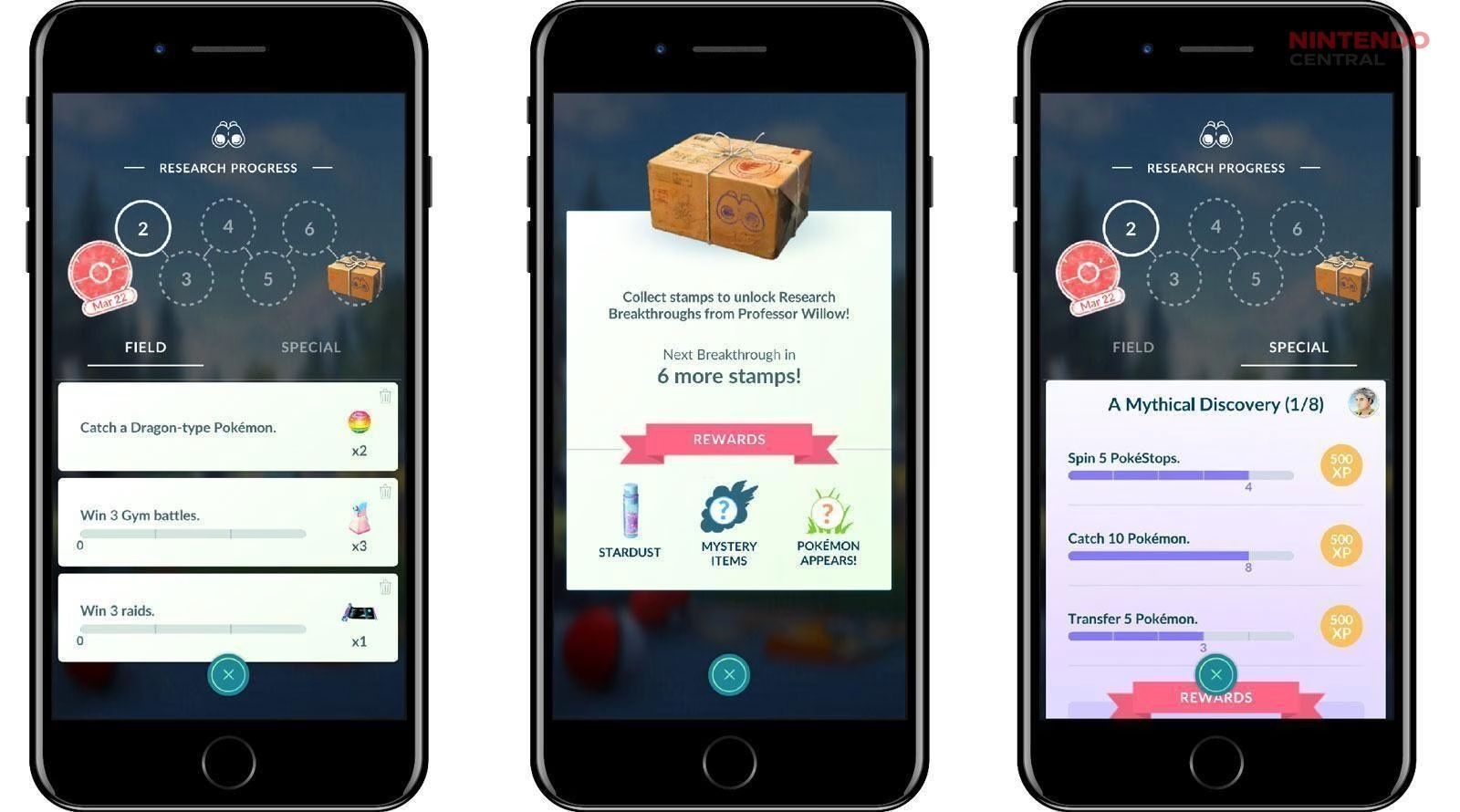
Originally, completing seven days of Field Research could reward Legendary Pokémon encounters. This gave free-to-play and rural players reliable access to rare Pokémon even without large raid communities.
Over time, however, many players felt the reward quality declined significantly. Community discussions frequently criticize modern Research Breakthrough rotations for lacking excitement compared to earlier years.
Older systems featuring Legendaries like Articuno, Zapdos, Moltres, and Kyogre made weekly research feel meaningful. Trainers looked forward to completing stamps consistently because the rewards justified the effort.
Modern rewards often focus on more common Pokémon or temporary event tie-ins instead. While some players still appreciate the free encounters, many longtime trainers feel the feature lost much of its original value.
Returning stronger weekly rewards could improve long-term player engagement without dramatically affecting raid monetization.
Legendary Pokémon in Breakthrough Boxes Should Return
The Legendary Breakthrough era deserves special mention because it represented one of Pokémon GO’s most player-friendly systems.
For rural players or trainers without active local communities, these boxes provided one of the few realistic ways to collect Legendary Pokémon consistently.
Community discussions about returning-player experiences still frequently mention how valuable those rewards felt compared to modern systems.
At the time, players could slowly build Legendary collections through dedication rather than relying entirely on raid coordination or Remote Raid Pass purchases.
The feature also helped newer players catch up gradually without overwhelming difficulty barriers.
Although raid systems became the primary focus later, many trainers believe bringing back occasional Legendary Breakthrough rotations would improve accessibility dramatically.
Some Players Want Old Gym Systems Back
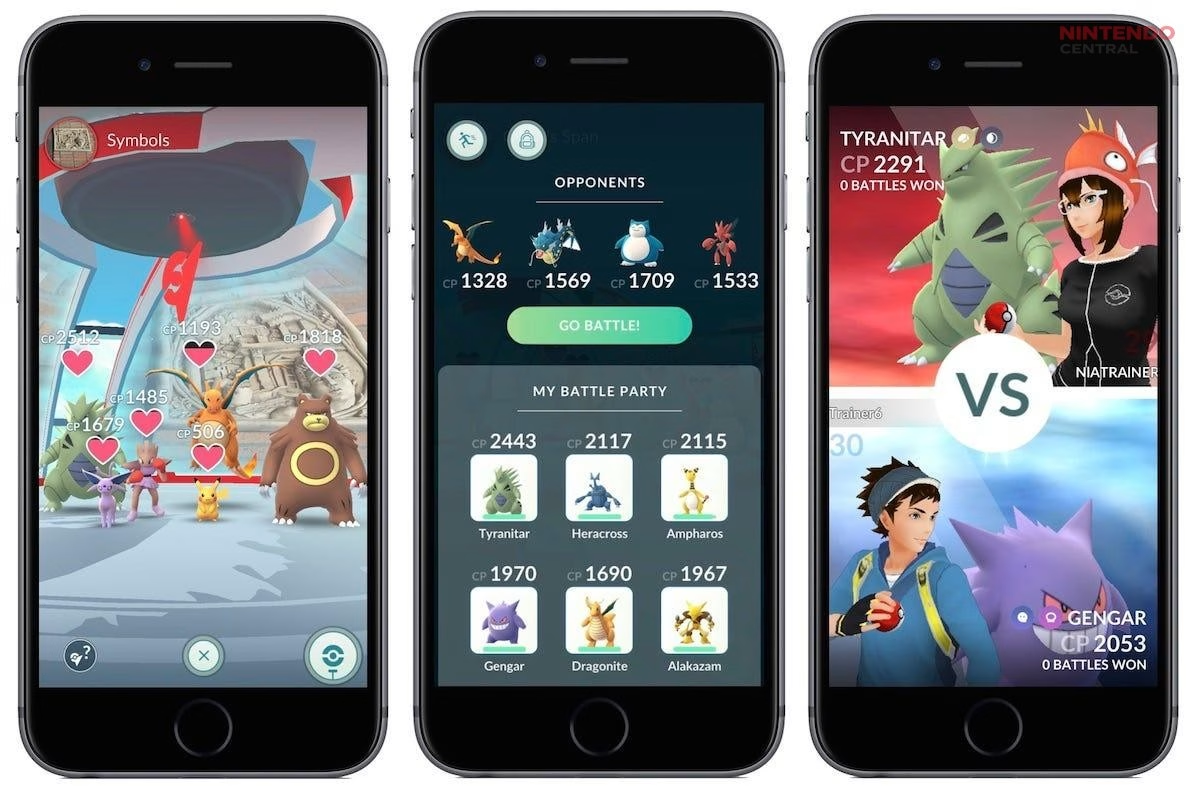
The original Gym system from early Pokémon GO remains divisive, but some veteran players still miss aspects of it.
Older Gyms focused heavily on long-term defense stacking and prestige systems. Players trained friendly Gyms to increase levels and place more defenders.
While the current Gym system is much simpler and more balanced, some players miss the competitive persistence and territory-control feeling of older Gyms.
The original system created stronger local rivalries between teams, especially in active communities. However, critics correctly point out that it also heavily favored dominant high-level players.
A full return is unlikely, but certain prestige-style progression mechanics could potentially improve Gym gameplay depth again.
Pokémon GO’s Best Features Were Often Community-Focused
A pattern emerges when looking at the features players miss most.
EX Raids, longer Community Days, stronger Incense bonuses, Legendary Breakthroughs, and older Gym systems all emphasized community interaction, accessibility, or long-term progression.
Modern Pokémon GO remains extremely successful, but some players feel newer systems focus too heavily on monetization, limited-time urgency, or rigid event structures.
Community discussions consistently show that players value features that encourage exploration while still respecting flexibility and accessibility.
That balance remains one of Pokémon GO’s biggest ongoing challenges.
Pokémon GO Still Has Room to Revisit Older Ideas
Even after nearly a decade, Pokémon GO continues evolving constantly. New mechanics like Routes, Party Play, Dynamax systems, and Campfire integration show that Niantic is still experimenting actively with the game’s future.
However, the popularity of older features proves that not every removed system should stay gone permanently.
Many classic mechanics succeeded because they created memorable social experiences, rewarded consistent play fairly, or made the game feel more immersive.
Revisiting some of these older ideas in modernized forms could help Pokémon GO maintain long-term player goodwill while preserving the exploration-focused identity that made the game successful in the first place.