
Since its release in 2018, Dragon Ball FighterZ has become one of the most successful anime fighting games in esports history. Developed by Arc System Works and published by Bandai Namco Entertainment
, the game quickly exploded in popularity because of its fast-paced gameplay, faithful anime presentation, and accessibility for both casual and competitive players.
What truly elevated Dragon Ball FighterZ beyond being just another anime adaptation was its impact on the fighting game community, commonly known as the FGC. Within months of launch, the game was drawing record-breaking tournament participation at major esports events like EVO. Legendary players such as SonicFox, GO1, Hikari, Kazunoko, and Wawa helped turn the game into a global competitive spectacle filled with rivalries, dramatic comebacks, and high-level team strategy.
Even years after release, Dragon Ball FighterZ continues to maintain a dedicated competitive community through world tours, community tournaments, online events, and international majors. Let’s break down how the Dragon Ball FighterZ competitive scene works, the biggest tournaments in the game, and why the title remains one of the most important anime fighters in esports.
Dragon Ball FighterZ Became an Instant Hit in the Fighting Game Community
Dragon Ball FighterZ entered the fighting game scene with enormous momentum in 2018. Unlike many licensed anime games that struggled competitively, FighterZ combined the global popularity of Dragon Ball with gameplay heavily inspired by classic tag fighters like Marvel vs. Capcom.
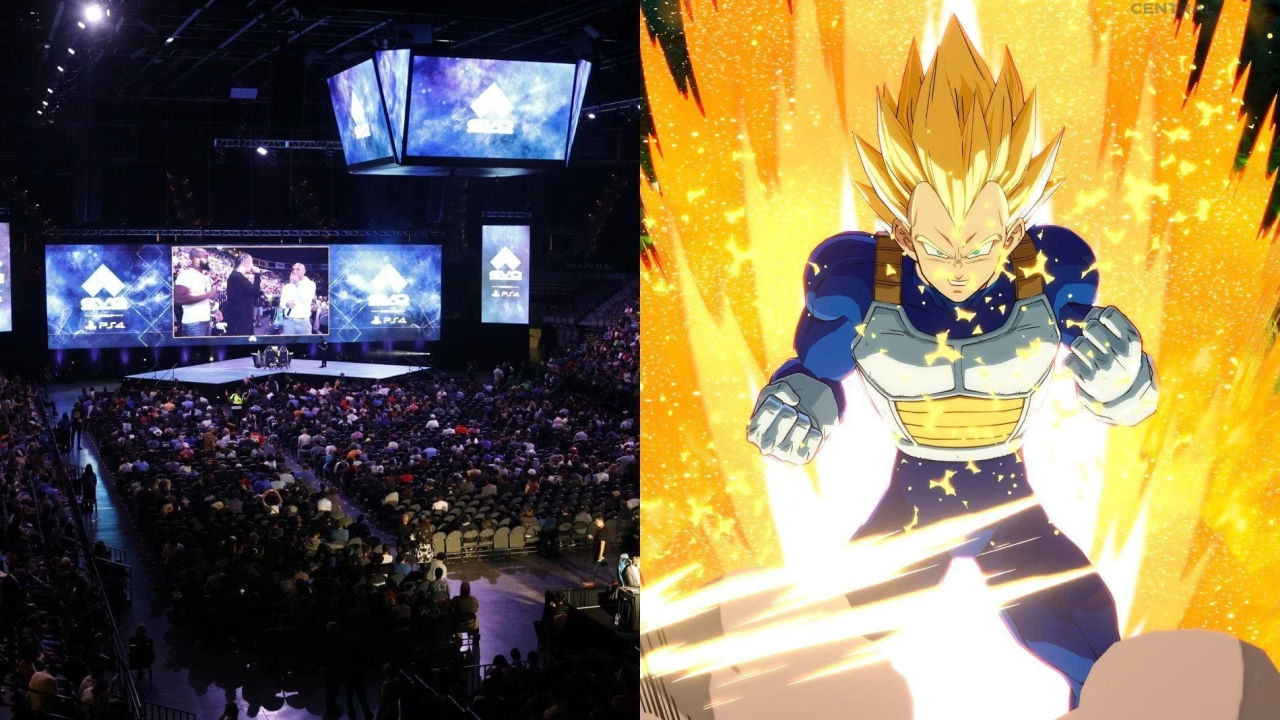
The result was immediate success. At EVO 2018, Dragon Ball FighterZ drew 2,530 entrants, becoming the most entered game at the tournament and the first non-Street Fighter title in years to achieve that feat.
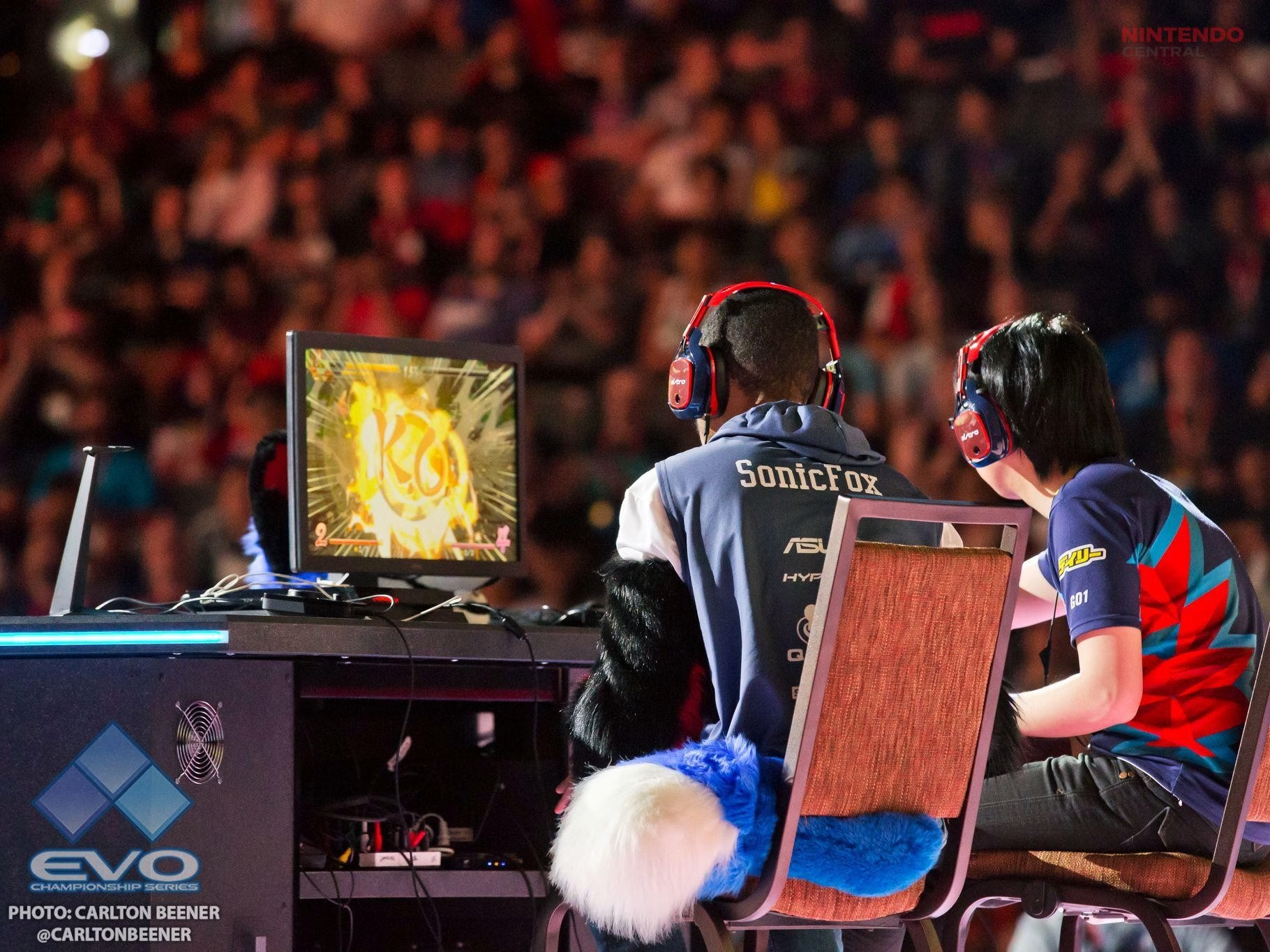
The game’s debut EVO finals between SonicFox and GO1 instantly became one of the defining moments in modern fighting game esports. The rivalry between the aggressive American player SonicFox and the methodical Japanese player GO1 helped establish Dragon Ball FighterZ as a premier competitive title.
According to coverage from Wired, the EVO 2018 grand finals drew massive attention because of the game’s explosive gameplay and the high-profile rivalry between SonicFox and GO1.
SonicFox ultimately won EVO 2018, while GO1 later claimed victory at EVO 2019, solidifying one of the greatest rivalries in fighting game history.
This early momentum was critical because it proved Dragon Ball FighterZ was more than a temporary anime game trend. It had become a legitimate esports title almost immediately after release.
The Dragon Ball FighterZ World Tour Became the Main Competitive Circuit
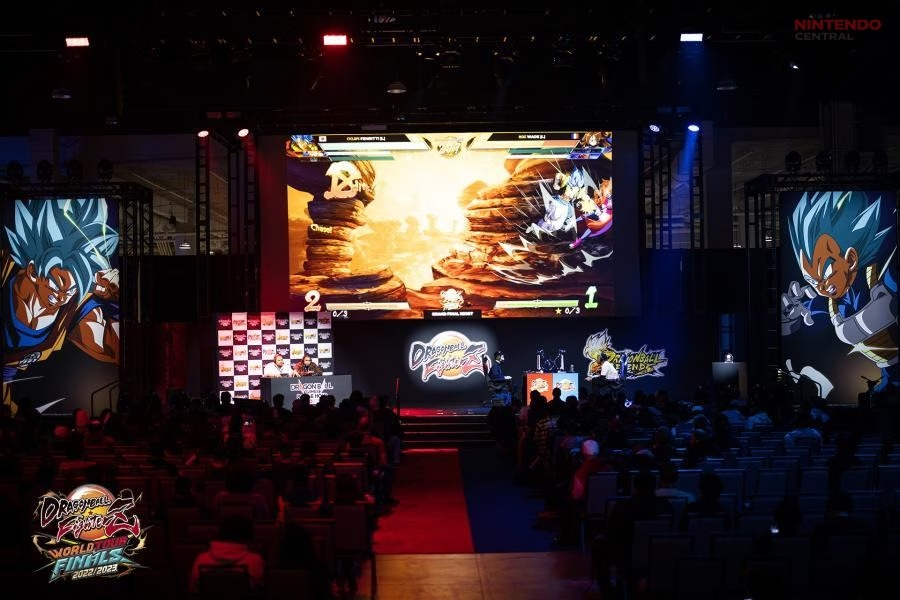
To support the game’s growing esports scene, Bandai Namco launched the Dragon Ball FighterZ World Tour in 2018. This official global circuit became the centerpiece of the competitive ecosystem.
The World Tour functions similarly to circuits used in games like Tekken and Street Fighter. Players compete at qualifying tournaments throughout the year to earn points toward the World Tour Finals.
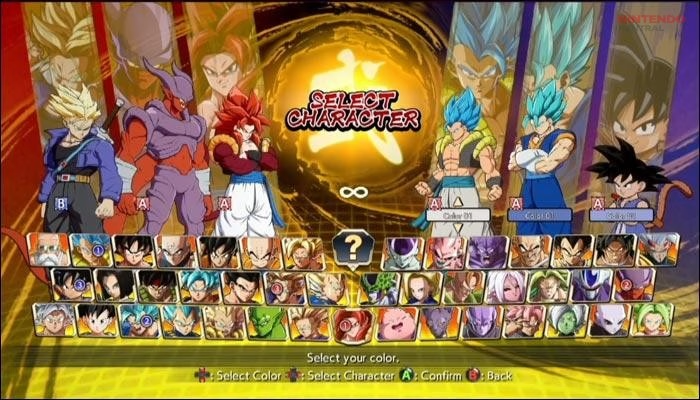
According to Bandai Namco’s official World Tour overview, the modern Dragon Ball FighterZ World Tour includes multiple tournament categories such as Power+, Power, and Tenkaichi events.
Power+ tournaments are the most prestigious qualifiers and award the highest number of leaderboard points. Power events award substantial points, while Tenkaichi events are community-driven tournaments recognized by the official circuit.
This structure allows both elite professionals and grassroots competitors to participate in the ecosystem. Players can earn points through large international majors or smaller community events depending on tournament size and performance.
Bandai Namco later expanded the format further by introducing online qualifiers and regional online leaderboards. This helped the competitive scene remain active even when travel restrictions affected offline events.
The World Tour became especially important because it gave Dragon Ball FighterZ a consistent competitive calendar rather than relying entirely on independent majors.
EVO Remains the Biggest Stage for Dragon Ball FighterZ
Even with the World Tour in place, EVO remains the most prestigious tournament for many Dragon Ball FighterZ players.
The Evolution Championship Series, commonly called EVO, is considered the largest and most important fighting game tournament in the world. Dragon Ball FighterZ quickly became one of its headline games after launch.
The game’s presence at EVO helped establish its legitimacy within the wider FGC. EVO 2018 became particularly historic because FighterZ not only had the largest entrant count but also delivered one of the tournament’s most memorable grand finals.
Over the years, several legendary players have won EVO titles in Dragon Ball FighterZ. SonicFox won the inaugural EVO championship in 2018, GO1 won in 2019, Wawa won EVO 2022, and Hikari claimed EVO 2023.
EVO championships matter heavily in the fighting game community because of the tournament’s prestige and open-bracket format. Unlike franchised esports leagues, anyone can theoretically enter EVO and challenge the world’s best players.
This open structure is a core part of FGC culture and one reason Dragon Ball FighterZ developed such strong grassroots support.
Legendary Rivalries Helped Build the Scene
One of the biggest reasons Dragon Ball FighterZ became so popular competitively was its player rivalries.
The most famous rivalry is unquestionably SonicFox versus GO1. Their matches defined the game’s early competitive years and became symbolic of the East-versus-West dynamic within fighting games.
GO1 was widely respected for his defensive mastery and technical precision, while SonicFox became known for explosive offense, adaptability, and unmatched confidence. Their matches frequently headlined major tournaments during FighterZ’s peak years.
Dragon Ball Official’s esports retrospective described the Dragon Ball FighterZ World Tour as a “real-life Tenkaichi Budokai,” emphasizing how player storylines and rivalries fueled community excitement.
Other major competitors eventually rose to prominence as well. Players like Kazunoko, Fenritti, Wawa, Nitro, HookGangGod, and Hikari became central figures in later competitive eras.
Hikari in particular emerged as one of the dominant modern-era players. EVO’s 2026 Masters Showdown recap highlighted Hikari’s multiple World Tour championships and EVO victories while discussing his status as potentially one of the greatest Dragon Ball FighterZ players ever.
These rivalries and player personalities helped make tournaments entertaining beyond just gameplay mechanics.
Team Composition and Meta Changes Shape Competition
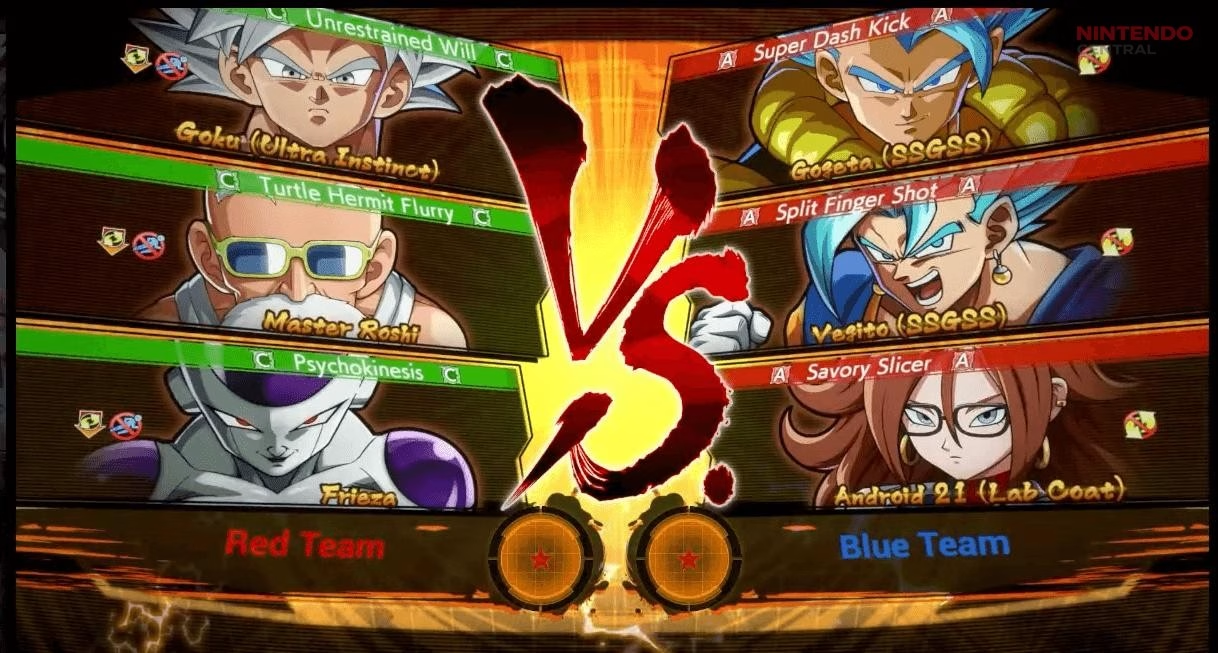
Dragon Ball FighterZ is a 3v3 team fighter, which means competitive players build teams of three characters instead of selecting a single fighter.
This team-building aspect adds significant strategic depth to tournaments. Players must consider assists, synergy, neutral control, mix-up potential, and damage optimization when creating teams.
The competitive meta changed dramatically over time as patches introduced balance adjustments and new DLC characters. Characters like UI Goku, Lab Coat Android 21, GT Goku, and Gogeta Blue heavily influenced tournament play during different eras.
Bandai Namco confirmed additional balance patches for the game even years after launch, showing continued developer support for the competitive scene.
Because Dragon Ball FighterZ has such explosive offensive mechanics, momentum and touch-of-death combos became central parts of tournament gameplay. High-level players often optimize teams specifically around maximizing damage and pressure opportunities.
At the same time, defensive mechanics like Reflect, Sparking Blast, and Vanish create intense momentum swings that make matches exciting to watch.
This balance between flashy offense and high-level strategy helped FighterZ remain entertaining for both hardcore players and casual viewers.
Rollback Netcode Helped Revive Competitive Interest
One major issue affecting Dragon Ball FighterZ for years was online play quality. Delay-based netcode created frustrating online experiences, especially for long-distance matches.
This changed when rollback netcode was finally added to the game. Bandai Namco confirmed rollback implementation as one of the major reasons for relaunching competitive support through newer World Tour seasons.
Rollback netcode significantly improved online match stability, making online tournaments more viable and helping the game maintain a competitive player base even years after release.
This was especially important after the COVID-19 pandemic reshaped esports and increased reliance on online competition. Many fighting games struggled during this period because poor online infrastructure made high-level play difficult.
Dragon Ball FighterZ’s rollback update helped modernize the game and extend its competitive lifespan. It also made it easier for players in different regions to practice and compete consistently.
The addition of rollback demonstrated how important technical support is for long-term fighting game esports sustainability.
Community Tournaments Keep the Scene Alive
While official events remain important, community tournaments are the backbone of Dragon Ball FighterZ’s competitive ecosystem.
Grassroots events like Combo Breaker, CEO, Frosty Faustings, Texas Showdown, and regional weeklies continue supporting the scene between official World Tour tournaments.
The FGC has always relied heavily on community organizers rather than publisher-controlled leagues. Dragon Ball FighterZ inherited this tradition naturally because many top players already competed in broader fighting game circuits.
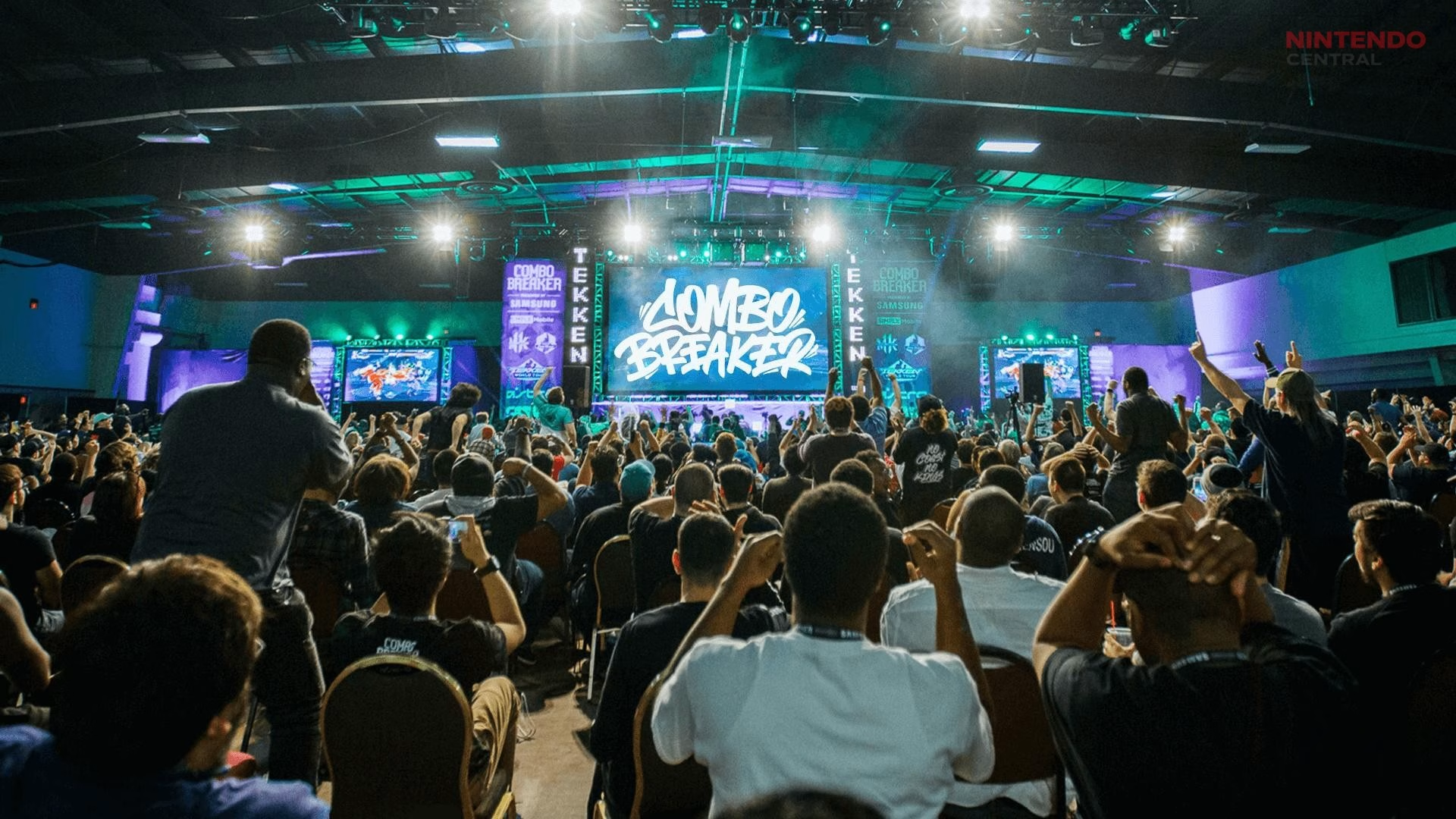
Bandai Namco’s Tenkaichi tournament system formally recognized smaller community events within the World Tour structure, helping bridge the gap between grassroots and official competition.
Community support also helped the game survive periods when official support slowed down. Even when tournament prize pools or developer updates decreased, dedicated players continued organizing online brackets, locals, and regional events.
This grassroots passion is one reason Dragon Ball FighterZ still maintains a competitive identity years after release.
Spectatorship Is a Major Part of FighterZ’s Appeal
Dragon Ball FighterZ became one of the most spectator-friendly fighting games because of its visual style and fast pacing.
Arc System Works successfully recreated the look of the anime, making tournament matches feel like playable Dragon Ball episodes. Dramatic supers, cinematic finishes, and recognizable characters helped attract viewers beyond traditional fighting game fans.
This accessibility mattered significantly for tournament growth. Many spectators who were not deeply involved in the FGC still watched FighterZ events because they recognized Dragon Ball characters and understood the spectacle.
The game’s EVO finals regularly generated strong Twitch viewership numbers during its peak years. According to competitive reports, the EVO 2018 finals became one of the most-watched fighting game broadcasts at the time.
This broad appeal helped Dragon Ball FighterZ bridge the gap between anime fans and competitive fighting game audiences.