
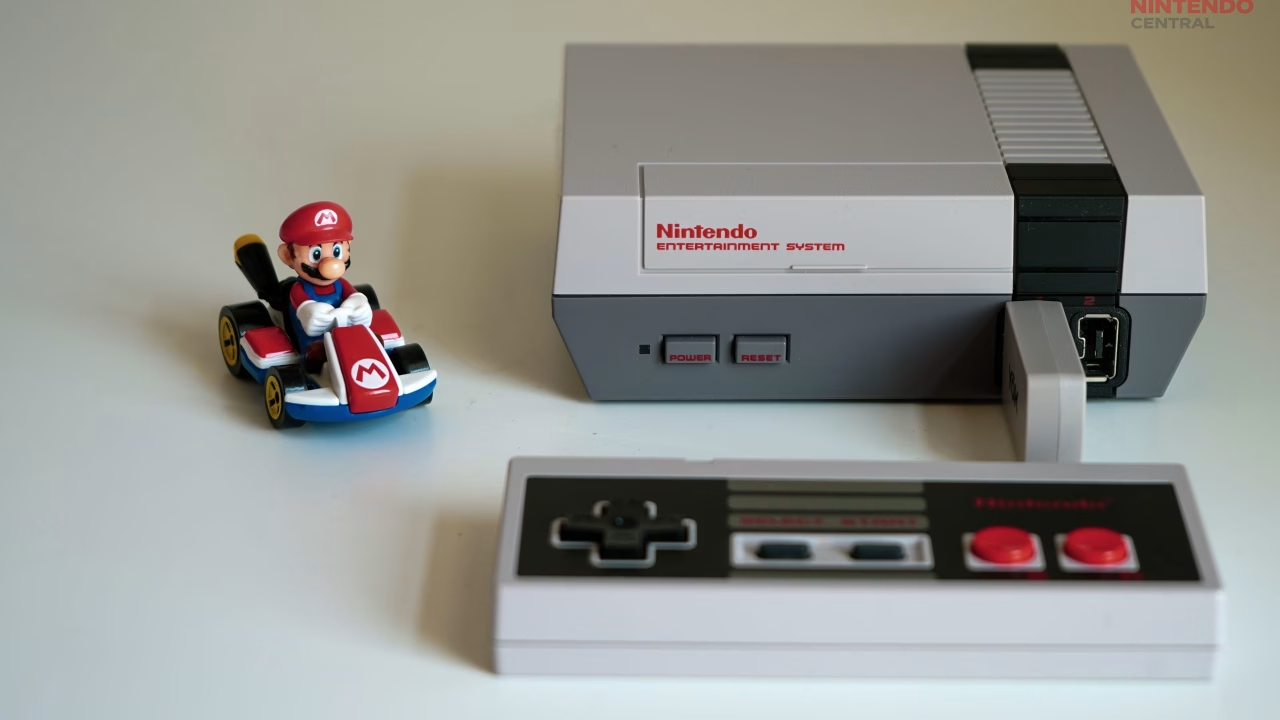
Nintendo’s hugely popular mini retro consoles were not just nostalgia-driven products; they were part of a deliberate survival strategy. Former Nintendo of America president Reggie Fils-Aimé has revealed that the NES Classic Edition and SNES Classic Edition were created to help stabilize the company during the final years of the Wii U lifecycle.
Speaking at the NYU Game Center Lecture Series, Fils-Aimé provided rare insight into Nintendo’s internal strategy during one of its most challenging periods. His comments confirm what many fans had long suspected. The devices were not just celebratory releases but critical business decisions.
During the later years of the Wii U, Nintendo faced declining sales and limited momentum in the console market. The company needed products that could generate revenue quickly and appeal to a broad audience. The solution came in the form of compact retro consoles loaded with classic games. These devices tapped into nostalgia while also offering accessible gaming experiences. Their success helped bridge the gap before Nintendo’s next major hardware launch.
“We Needed Something to Sell”: Reggie Explains Strategy
Fils-Aimé was direct about the reasoning behind the releases, stating that the company needed high-volume products during the holiday season.
“We did that to sustain our business because we needed something to sell at volume,”
he explained during the lecture. His comments highlight the urgency of the situation at the time. The Wii U had struggled to maintain consumer interest after its initial launch period. As a result, Nintendo had to explore alternative strategies to remain competitive.
He also described the Wii U as being “on life support,” emphasizing the severity of the decline. This candid assessment provides context for the company’s decision-making. Rather than relying solely on new software or hardware, Nintendo turned to its legacy. The NES and SNES Classics became a way to leverage decades of gaming history. This approach proved to be both practical and effective.
NES and SNES Classics Delivered Immediate Success
The NES Classic Edition launched in 2016 with 30 built-in games, quickly becoming a commercial hit. Its compact design and pre-loaded library made it appealing to both longtime fans and new players. Demand was so high that the console frequently sold out at retailers. This level of success demonstrated the strength of Nintendo’s legacy titles. It also showed that there was a strong market for retro gaming experiences.
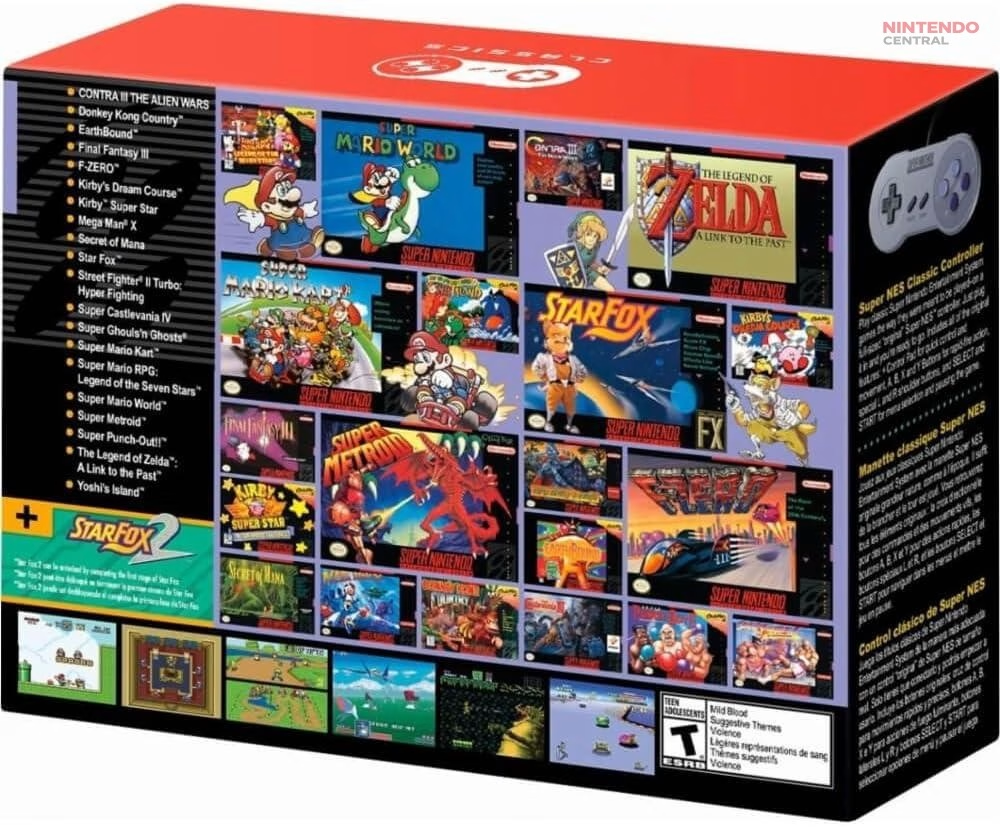
The following year, Nintendo released the SNES Classic Edition, building on the momentum of its predecessor. The SNES version included additional fan-favorite titles and continued the trend of strong sales. Together, these devices provided a reliable source of revenue during a difficult period. They also helped maintain brand visibility while the company prepared its next major move. Their success played a key role in stabilizing Nintendo’s position.
Broader Efforts to Recover From Wii U Challenges
The retro consoles were part of a larger set of strategies aimed at addressing the Wii U’s struggles. Fils-Aimé noted that Nintendo made several adjustments during this time, including discontinuing less popular hardware variants. The company also increased its focus on indie developers, bringing more diverse content to its platform. These efforts were designed to keep the ecosystem active despite declining hardware sales. Each move contributed to maintaining consumer interest.
However, the NES and SNES Classics stood out due to their immediate impact. Unlike other initiatives, they delivered quick and measurable results. Their success highlighted the value of Nintendo’s back catalog. It also demonstrated how the company could adapt to changing market conditions. This period ultimately set the stage for Nintendo’s next major success.