

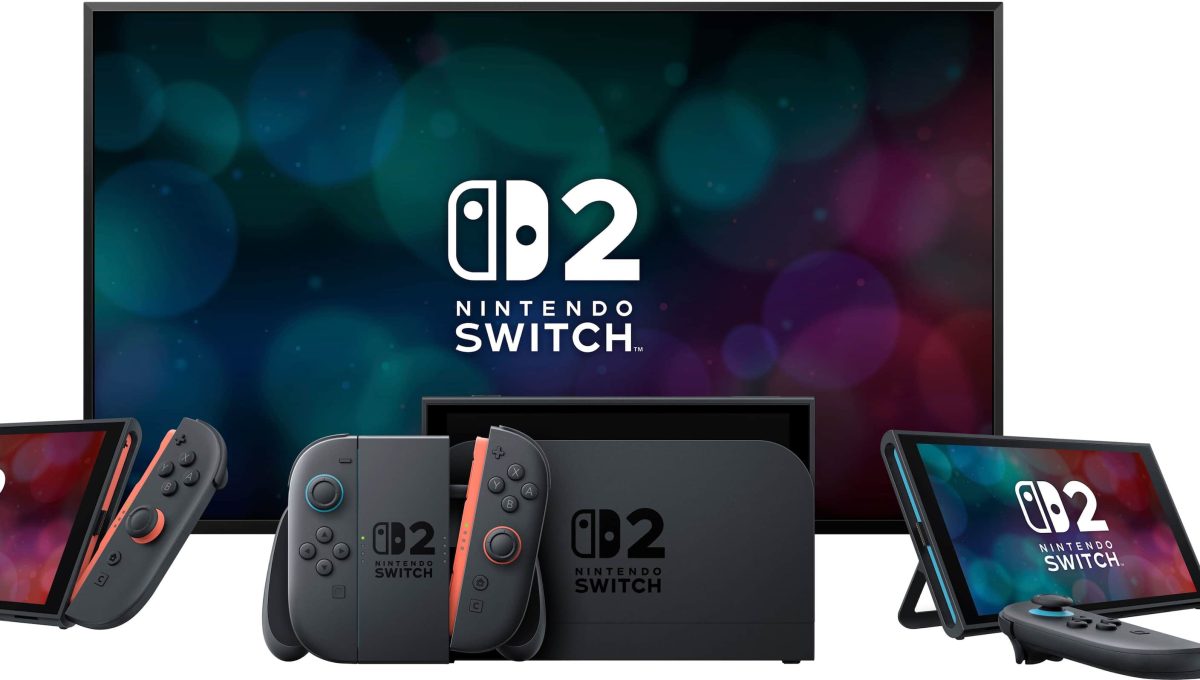
The discussion around the Nintendo Switch 2 Galaxy bundle only makes sense when you factor in one key detail: the console is no longer upcoming. It has already been on the market for months, and that changes how this bundle should be evaluated.
Nintendo officially launched the Switch 2 in June 2025 at a base price of around $450, with strong early demand and a large initial install base. Since then, the system has established itself as a true generational upgrade rather than a minor revision.
It features a 7.9-inch 1080p display with HDR and up to 120Hz refresh rate, alongside significantly improved internals powered by Nvidia hardware. Docked output reaches up to 4K, and storage has been expanded to 256GB, aligning it more closely with modern console expectations.
That context matters because early-cycle bundles typically serve one of two purposes: either to drive adoption at launch or to maintain momentum after the initial wave of sales. This Galaxy bundle clearly falls into the second category.
The package combines the Switch 2 with updated versions of Super Mario Galaxy and Super Mario Galaxy 2 for roughly $499.99. On paper, it resembles the kind of value bundle players expect from Nintendo. In reality, the savings are limited, usually around $20, compared to buying everything separately.
That modest discount is the core issue raised in recent coverage. The bundle is not misleading in a technical sense, but it is positioned as more significant than it actually is. For a console that is already widely available, consumers tend to expect stronger incentives, especially when first-party titles are involved.
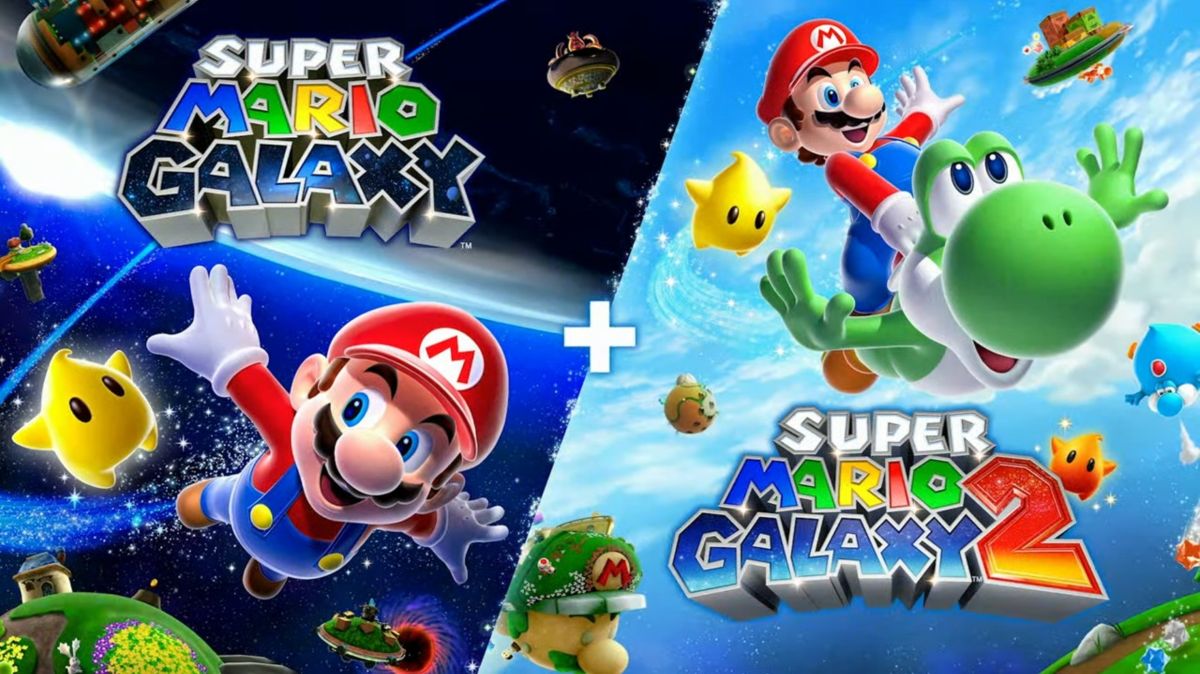
However, the timing explains the strategy. The Switch 2 is now entering its second phase, where maintaining engagement becomes more important than simply selling hardware. Nintendo is expanding its software library rapidly, with dozens of games already released or scheduled through 2026. Instead of cutting prices aggressively, the company is using recognizable franchises to keep the platform visible and relevant.
The Galaxy branding plays a specific role here. These are not new games, but they are among Nintendo’s most critically respected titles. By bundling them with upgraded performance and visual improvements, Nintendo is effectively reintroducing them to a new audience while reinforcing the console’s value proposition.
From a business perspective, this approach is consistent with broader industry trends. Hardware prices are holding steady longer, and companies are relying more on ecosystem strength than on discounts. Even with strong early sales, there are already signs that momentum needs to be sustained carefully, with production adjustments and pricing discussions emerging in 2026.
For consumers, the conclusion is straightforward. The bundle is not a bad purchase, but it is not a standout deal either. It offers convenience and a small financial benefit, nothing more. Buyers who already intend to play both Galaxy titles will find it reasonable. Those looking for a meaningful discount or a true value jump will likely be better off waiting.
The key point is that expectations need to match the console’s lifecycle stage. This is no longer a launch-era incentive. It is a mid-cycle bundle designed to maintain interest, not redefine pricing.