When Nintendo launched the Nintendo Switch 2 in 2025, the price immediately became one of the most debated topics in the gaming industry. At launch, the console was already significantly more expensive than the original Switch, and later price adjustments in several regions pushed it even higher. Many players questioned whether the price was justified, especially since Nintendo traditionally positioned its consoles as more affordable alternatives to competitors.
However, the pricing of the Switch 2 is not based on a single factor. It is the result of multiple overlapping issues, including major hardware upgrades, rising component costs, global supply chain pressures, and a noticeable shift in Nintendo’s pricing strategy. The gaming industry itself has also changed, with higher development costs and increased expectations around performance influencing how companies price their hardware.
To understand why the Switch 2 is so expensive, it is important to break down each of these factors and see how they combine to shape the final price consumers are paying in 2026.
The Hardware Is a Major Upgrade Over the Original Switch
One of the most important reasons behind the higher price is the significant leap in hardware compared to the original Nintendo Switch. The first Switch launched in 2017 with relatively modest specifications, even for its time. In contrast, the Switch 2 introduces a much more advanced system designed to handle modern gaming demands while maintaining its hybrid portable design.
The new console includes a custom Nvidia chipset capable of supporting modern graphical features like DLSS upscaling and ray tracing, along with faster memory and improved storage technology. The display itself has also been upgraded, offering higher resolution and smoother refresh rates, which directly improves the gameplay experience both in handheld mode and when docked.
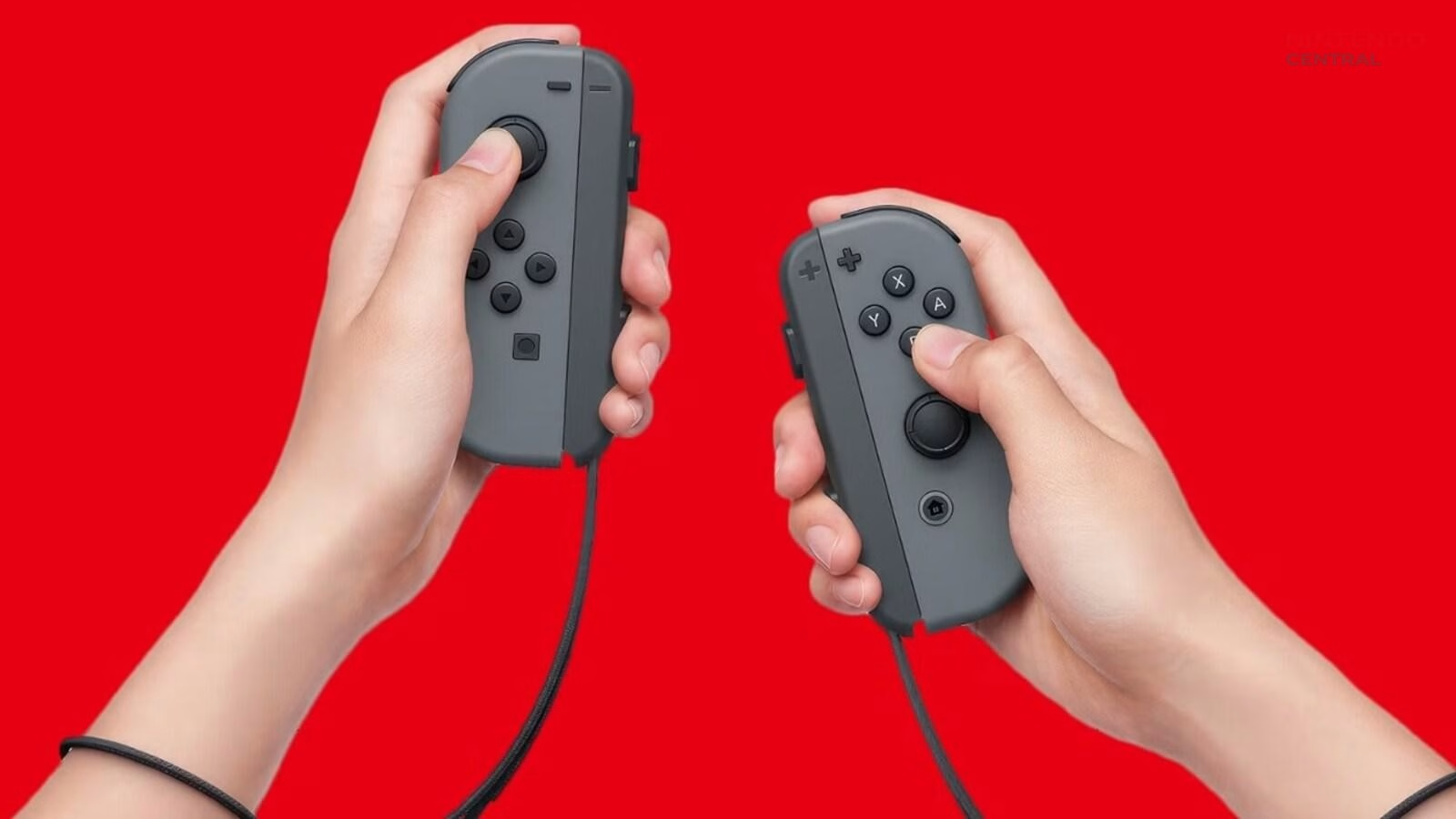
These improvements dramatically increase production costs. Advanced chips, faster RAM, and modern storage solutions are all significantly more expensive than the components used in the original Switch. Even features like improved Joy-Con controllers and enhanced connectivity add to the cost of manufacturing the system. While these upgrades make the console far more capable, they also push it into a higher price category.
Memory and Storage Costs Have Increased Globally
Another major factor driving up the price of the Switch 2 is the rising cost of memory and storage components. Over the past few years, global demand for high-speed memory has surged, largely due to the rapid expansion of AI infrastructure and data centers. This has created supply pressure across the entire tech industry.
The Switch 2 relies on modern memory technologies that are also used in high-performance computing and AI systems. Because these components are in high demand, manufacturers are charging more, and companies like Nintendo have no choice but to absorb or pass on those costs.
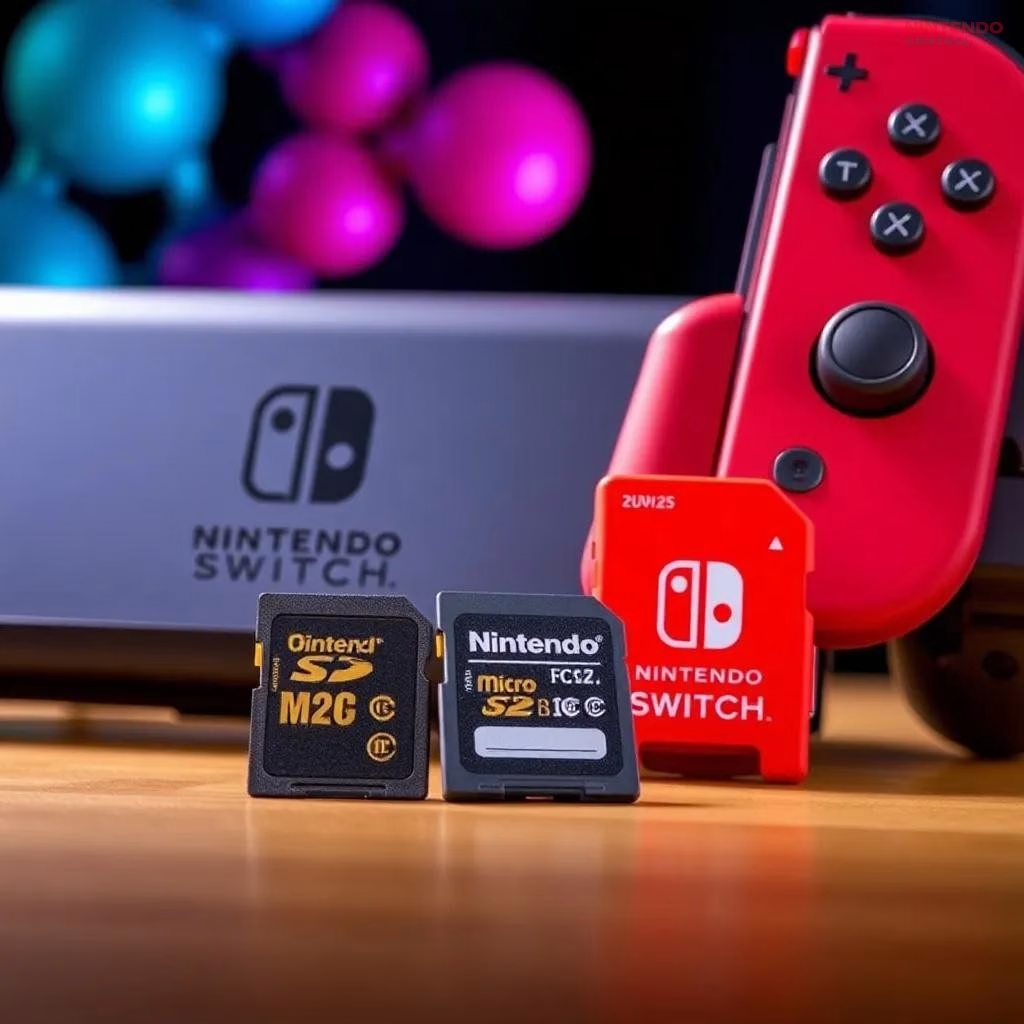
Storage is another key issue. Modern games are significantly larger than they were during the original Switch era, which means consoles need faster and larger storage solutions. High-speed internal storage and expandable memory options have become more expensive, increasing both the base price of the console and the cost for players who need additional storage.
This situation affects not just the console itself but also the total cost of ownership, as players often need to invest in additional storage much sooner than they did with older systems.
Global Supply Chain and Manufacturing Costs Are Higher
The global economic environment has also played a major role in increasing the price of the Switch 2. Since the late 2010s, manufacturing costs have risen due to higher labor expenses, increased shipping costs, and disruptions in global supply chains.
Electronics manufacturing is especially sensitive to these changes because it relies on a complex network of suppliers spread across multiple countries. Even small increases in costs at different stages of production can add up significantly by the time the product reaches consumers.
Trade policies and tariffs have also contributed to the problem. Changes in import regulations and additional costs on electronic components have made it more expensive for companies to produce and distribute hardware globally. Nintendo, like many other tech companies, has had to adjust its pricing to account for these pressures.
These factors are largely outside Nintendo’s direct control, but they have a clear impact on the final retail price of the console.
Nintendo Is Positioning the Switch 2 as a Premium Product
Beyond external factors, Nintendo’s own strategy has also influenced the pricing of the Switch 2. Unlike previous generations, where Nintendo focused heavily on affordability, the company is now positioning the Switch 2 as a more premium product.
This shift reflects changes in the gaming market. Players now expect higher performance, better graphics, and more advanced features, even from hybrid consoles. By pricing the Switch 2 higher, Nintendo is signaling that the system is a significant upgrade rather than a simple successor.
This approach also allows Nintendo to maintain stronger profit margins on hardware sales. In earlier generations, many companies sold consoles at a loss and relied on game sales to recover costs. Nintendo has historically avoided this model, and the Switch 2 continues that trend by aiming for profitability from the start.
The strong demand for the console at launch further supports this strategy. High sales numbers suggest that many players are willing to pay a premium for Nintendo’s ecosystem, which includes exclusive games and the flexibility of hybrid gaming.
The Total Cost Goes Beyond the Console Itself
Another reason the Switch 2 feels expensive is that the total cost extends beyond the base console. Modern gaming ecosystems often require additional spending on games, accessories, and services.
Game prices have increased across the industry, and Nintendo is no exception. Many new titles now launch at higher price points, which adds to the cost of owning the system. Accessories such as controllers, docks, and cameras also contribute to the expense, especially for players who want the full experience.
Storage expansion is another hidden cost. Because modern games take up more space, players often need to purchase additional memory relatively quickly. This adds another layer of expense that did not impact earlier console generations as heavily.
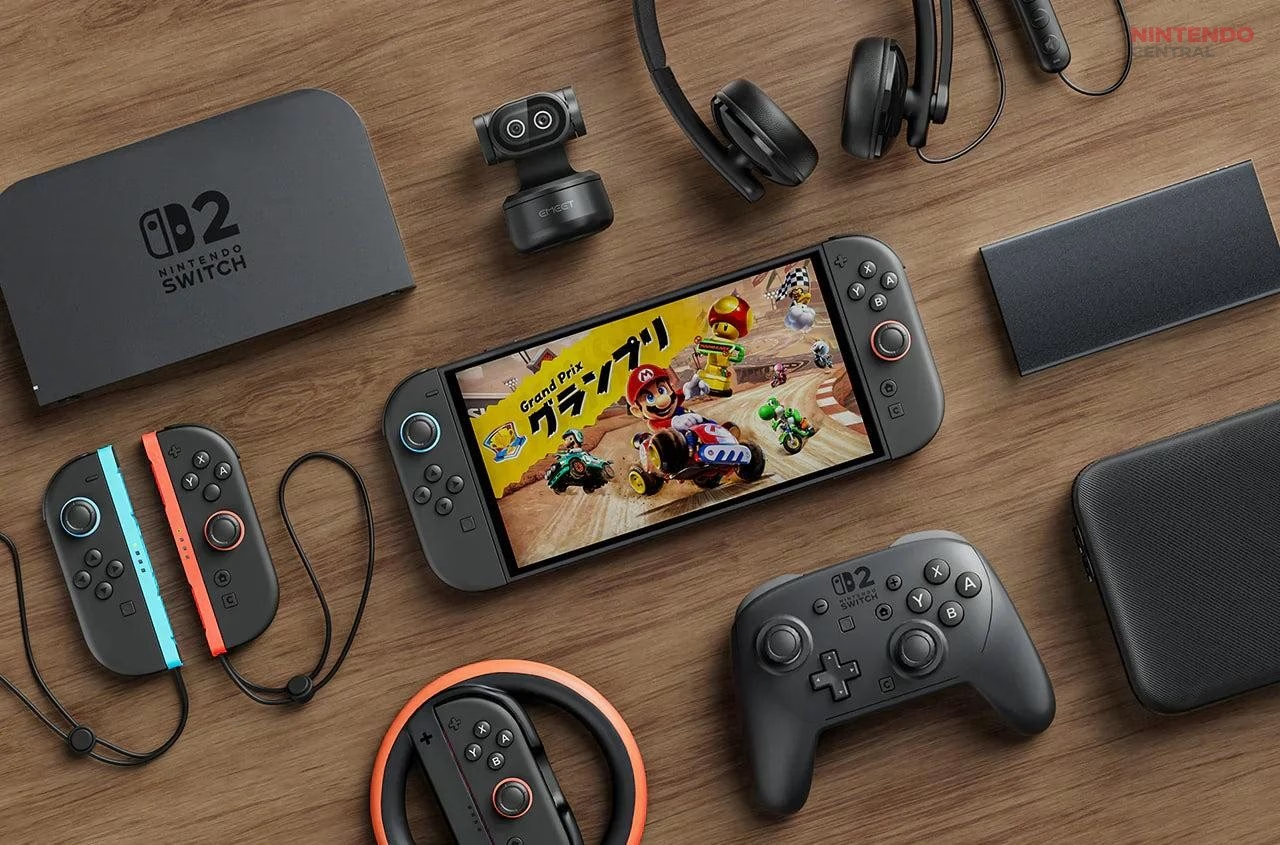
When all of these factors are combined, the real cost of owning a Switch 2 can be significantly higher than the initial purchase price, which is why many players perceive the console as expensive.
Inflation Has Changed How Prices Are Perceived
Inflation also plays a key role in how players view the price of the Switch 2. The original Switch launched nearly a decade earlier, and the economic terrain has changed dramatically since then. Prices for electronics, manufacturing, and distribution have all increased over time.
Many players still compare the Switch 2 directly to the original Switch without accounting for these changes. When adjusted for inflation and technological advancements, the price difference becomes more understandable, even if it still feels high from a consumer perspective.
At the same time, broader cost-of-living increases mean that players are more sensitive to higher prices. Even if the console is priced in line with industry trends, it may still feel expensive because consumers are dealing with higher expenses in other areas of their lives.
Why Some Players Still Think It Is Overpriced
Despite all these factors, a significant portion of the gaming community still believes the Switch 2 is overpriced. One common argument is that the console does not match the raw performance of competing systems like the PlayStation 5 or Xbox Series X, which are available at similar or sometimes lower prices.
Others point to concerns about battery life, long-term durability, and the cost of first-party games as reasons why the value proposition does not feel strong enough. Some players also feel that Nintendo relies heavily on its exclusive franchises to justify higher prices.
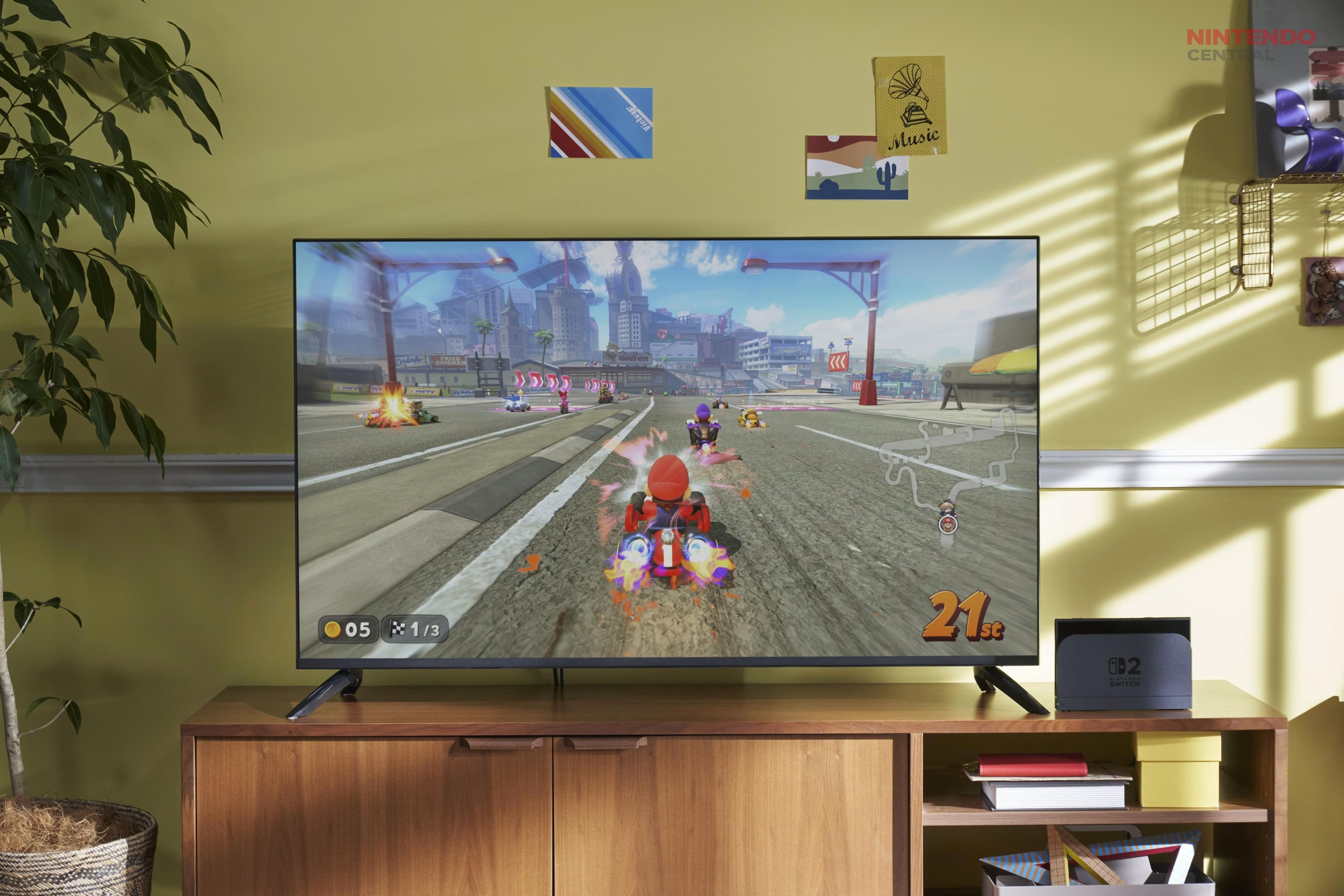
These criticisms highlight the difference between perceived value and actual cost. Even if the pricing is justified from a production standpoint, it does not automatically mean that all consumers will feel the console is worth the price.
Is the Nintendo Switch 2 Worth the Price?
Ultimately, whether the Switch 2 is worth its price depends on what players are looking for in a gaming system. From a technical perspective, the console offers significant improvements over its predecessor and introduces features that bring it closer to modern gaming standards.
At the same time, its hybrid design remains unique in the market. The ability to switch between handheld and docked play continues to be a major selling point that competitors do not directly offer.
For players who value Nintendo’s exclusive games and the flexibility of portable gaming, the higher price may feel justified. For others who prioritize raw performance or lower costs, the Switch 2 may seem less appealing.
What is clear is that the Switch 2’s price is not driven by a single reason. It is the result of hardware upgrades, global economic factors, and a deliberate shift in Nintendo’s strategy. As the gaming industry continues to evolve, higher prices may become more common, making the Switch 2 an early example of where console pricing is heading in the future.
Another important factor influencing the Switch 2’s pricing is the long-term software strategy tied to the console. Nintendo is not just selling hardware, but an ecosystem built around exclusive titles, online services, and future upgrades.
By pricing the console higher at launch, Nintendo creates room to sustain development costs for upcoming first-party games, which have become more expensive and time-consuming to produce. This also allows the company to avoid frequent price drops early in the console’s lifecycle. In the long run, this strategy helps Nintendo maintain consistent revenue while continuing to invest in high-quality games that keep players engaged for years.