For a game built around long-term engagement, the shop system in Pokémon GO remains one of the most debated parts of the experience. Over the years, developer updates have added Remote Raid bundles, the official web store, Reward Road incentives, and exclusive timed offers. However, many players still feel the in-game shop lacks the flexibility and quality-of-life improvements expected from a live-service title that has been active since 2016.
Community discussions across Reddit, The Silph Road, and official Pokémon GO channels regularly highlight recurring frustrations involving pricing, inventory management, event bundles, and customization. While the current shop works well enough for casual purchases, veteran players argue that it often feels outdated compared to modern mobile live-service games. Official systems like the Pokémon GO Web Store
and Reward Road show that Niantic has expanded monetization options, but players still want more control and transparency.
Here are the biggest Pokémon GO Shop features players still want most in 2026.
Better Bundle Customization Would Make Purchases Feel More Worthwhile
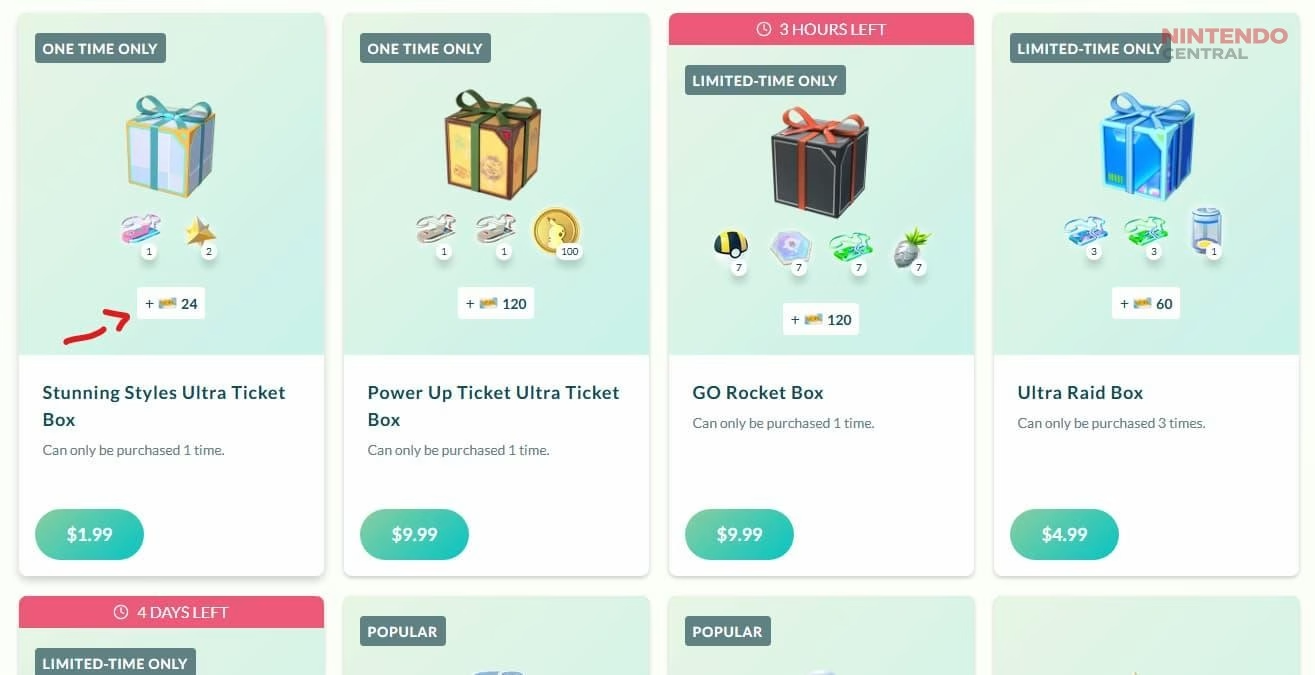
One of the most common complaints about the Pokémon GO Shop is the lack of customizable bundles. Players are often forced to buy pre-made boxes containing items they may not actually need. A raid-focused player may want only Premium Battle Passes, while another player might prioritize Incubators or storage upgrades. Instead, many shop bundles mix unrelated items together, making purchases feel inefficient.
This frustration becomes especially noticeable during large events like GO Fest or seasonal celebrations. Limited-time bundles frequently rotate, but many players feel they are paying extra for filler items rather than meaningful value. Reddit discussions around quality-of-life improvements repeatedly mention the desire for “build-your-own bundles” where trainers can select specific item categories before purchasing.
A customizable system could also improve player trust in the shop economy. Instead of relying on fear-of-missing-out sales tactics, Pokémon GO could allow users to tailor purchases to their own playstyles. Games with battle pass ecosystems and modular stores have already shown that personalization improves long-term spending satisfaction.
More Transparent Pricing and Coin Value Is Long Overdue
PokéCoin pricing has remained a major discussion point within the community for years. Although Pokémon GO introduced web-exclusive offers and bonus rewards through the web store, many players still believe item values fluctuate too heavily between events.
Remote Raid Pass pricing became one of the clearest examples of this frustration. After price adjustments and purchase limitations were introduced, many trainers began paying closer attention to shop value. Some players argue that event boxes sometimes appear cheaper than buying items individually, while others feel certain bundles artificially inflate prices by including low-priority consumables.
Players have suggested several solutions. One idea involves permanent “base bundles” with fixed value ratios so players always know whether an event box offers genuine savings. Another proposal involves showing percentage discounts directly inside the shop interface instead of requiring players to calculate values manually.
Transparency matters because Pokémon GO increasingly operates like a long-term live-service ecosystem. Players spending money regularly want consistency and clearer communication regarding digital item pricing.
Inventory Management Features Need Major Improvements
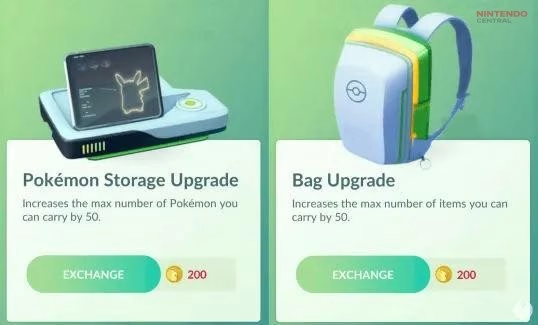
Storage management is another area where players believe the shop experience still feels clunky. Pokémon storage and item bag upgrades remain among the most purchased items in the game, but many players feel the management systems around them are outdated.
Community requests frequently mention automatic inventory tools, faster cleanup systems, and item presets. Some players have proposed customizable “minimum item thresholds” that automatically delete excess Poké Balls or berries when inventory limits are reached. Others want better sorting systems for event items and raid rewards.
The issue becomes more noticeable during large global events. GO Fest weekends and Community Days often flood inventories with temporary resources, forcing players into lengthy cleanup sessions before they can continue playing. While inventory expansion helps, many trainers argue smarter management systems would improve gameplay more than simply selling additional storage.
There is also demand for more advanced Pokémon filtering tools. Competitive PvP players want easier ways to organize IV spreads, lucky Pokémon, and raid attackers without constantly relying on search strings.
Event Shops Could Feel More Rewarding for Free-to-Play Players
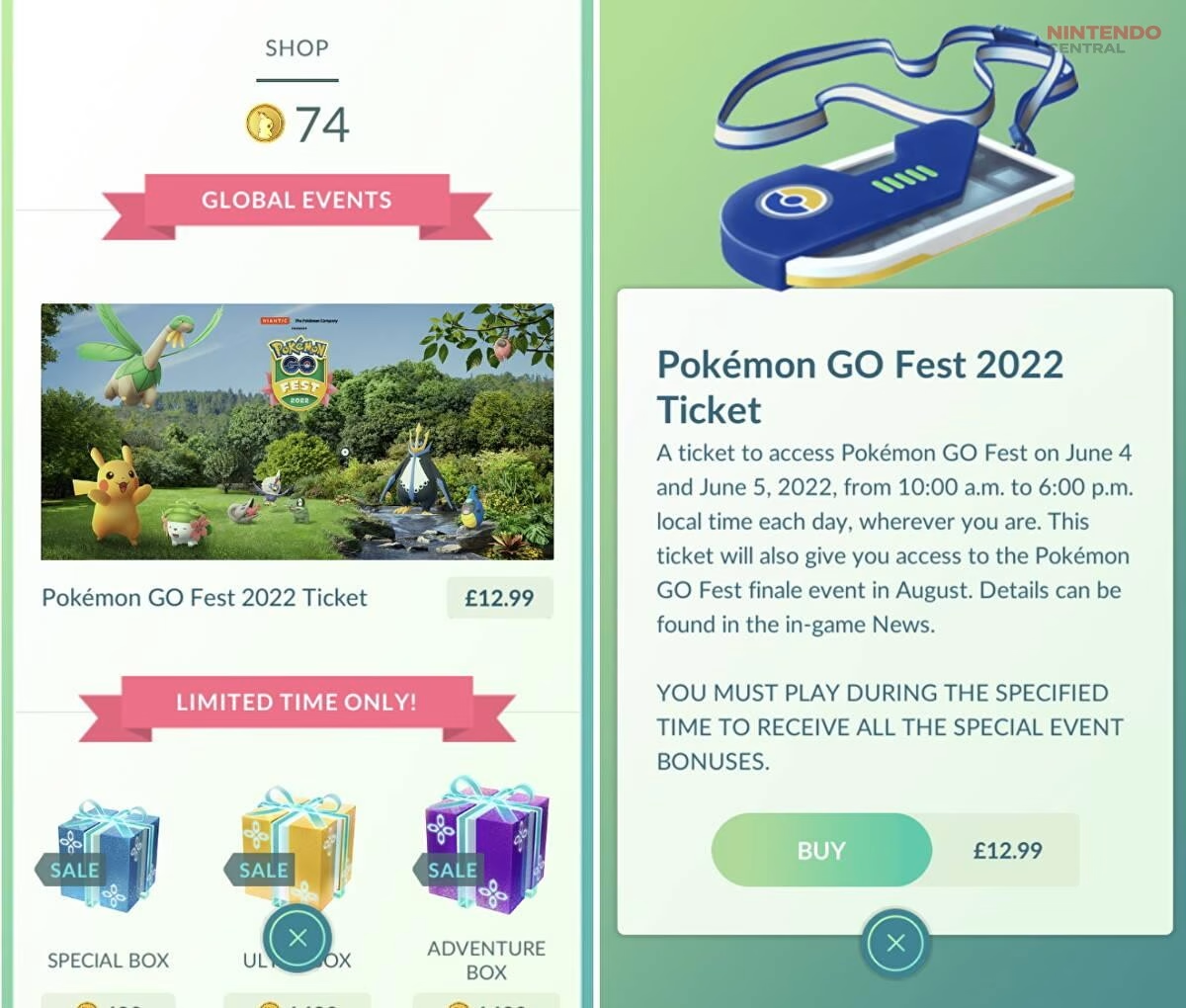
Another recurring criticism involves the growing divide between premium event access and free participation. Pokémon GO still allows free players to participate in most major events, but paid tickets increasingly provide major bonuses, exclusive encounters, or faster progression systems.
Features like Reward Road and web-exclusive bonuses have expanded monetization further. Official Pokémon GO announcements promote additional rewards for players purchasing through the web store rather than the in-game app itself.
Many players do not necessarily oppose paid content. Instead, they want event shops to feel fairer and more rewarding. Suggested improvements include better free reward tracks, earnable premium currency through gameplay milestones, or rotating daily shop rewards tied to consistent activity.
This discussion often overlaps with concerns about accessibility. Rural players and casual trainers may not participate in raids or large community events frequently enough to justify premium purchases. More balanced reward structures could help maintain engagement across different player groups.
Some community members have also proposed loyalty systems where long-term players receive occasional shop discounts or bonus item coupons. That kind of retention-focused system could strengthen player goodwill without dramatically changing the game economy.
Faster Navigation and Fewer Animations Would Improve the Entire Shop Experience
Quality-of-life complaints around Pokémon GO often come down to speed. Players repeatedly mention slow menus, excessive animations, and unnecessary loading sequences. Shop navigation is part of that broader problem.
Multiple Reddit threads discussing desired updates mention animation skipping, faster gift interactions, and smoother UI transitions. Trainers argue that repeated delays add up significantly during long play sessions.
The shop interface itself could benefit from modernization. A wishlist feature, faster category tabs, and clearer item descriptions would improve usability immediately. Some players even want a “quick buy” system for frequently purchased items like Remote Raid Passes or storage upgrades.
This matters because Pokémon GO is fundamentally designed around outdoor movement and short interaction windows. Players checking the shop during walks or raid sessions do not want to navigate multiple confirmation screens and long transitions.
Modern live-service games increasingly prioritize fast interfaces because friction directly affects engagement. Pokémon GO still feels slower than many comparable mobile games in this area.
Pokémon GO’s Shop Still Has Room to Evolve
The Pokémon GO Shop has improved considerably since the game’s launch. Features like the web store, exclusive event bundles, and Reward Road incentives show that Niantic continues expanding the monetization ecosystem. However, community discussions make it clear that many players want the shop to evolve alongside the rest of the game.
The most requested changes are not radical redesigns. Players mainly want better customization, clearer pricing, faster navigation, smarter inventory management, and fairer event structures. These are quality-of-life improvements that could make the game feel more respectful of player time and spending habits.
As Pokémon GO approaches another major anniversary period, the long-term success of the shop may depend less on adding new premium items and more on improving how players interact with the systems already in place.