Sea of Thieves Season 2 arrives as a substantial content update that expands Rare’s pirate sandbox with new world events, trading systems, and progression layers. It does not reinvent the game, but it strengthens its core loop with more structured activities and improved reward opportunities. For returning players and newcomers alike, it represents a noticeable step forward in variety, even if some long-standing design limitations remain.
At the center of Season 2 is the introduction of Forts of Fortune. These rare world events are upgraded versions of Skeleton Forts, featuring tougher enemy waves and significantly higher rewards. The challenge is intentionally scaled for coordinated crews, and the payoff reflects that difficulty, with guaranteed high-tier loot such as Athena’s Treasures for successful completions. These encounters stand out as some of the most engaging PvE content in the update because they push teamwork and preparation to the forefront.
The update also improves standard combat encounters through Skeleton Captains. These enemies now drop gold pouches when defeated, adding immediate financial rewards to spontaneous battles across the map. While simple, this change helps make world exploration feel more consistently rewarding, especially during unscripted encounters.
One of the most impactful systems added in Season 2 is the Merchant Alliance expansion. Resource Crates allow players to stock ships with essential supplies like bananas, planks, and cannonballs before setting sail. This reduces downtime and makes long voyages smoother and more self-sufficient. It is a quality-of-life improvement that supports both solo and group play.
Even more significant is the introduction of Commodity Crates, which brings a light trading economy into the game. Prices vary between outposts and shift weekly, encouraging players to buy low and sell high across regions. This system adds a new layer of strategy that goes beyond combat and treasure hunting, giving players a reason to plan routes based on market behavior rather than just quest objectives. While not deeply complex, it is a welcome addition for players who enjoy profit-driven gameplay.
Season 2 also enhances progression through Trading Company Emissaries. By aligning with factions and raising their flags, players can increase rewards based on risk and performance. This system encourages commitment to specific companies and rewards more dangerous playstyles, especially when transporting valuable loot while flagged as an Emissary.
To support structured play sessions, Trials and Deeds introduce a set of rotating challenges. These objectives guide players toward specific activities and reward completion with cosmetics and progression bonuses. While not essential, they help give direction to sessions that might otherwise feel open-ended or aimless.
A seasonal Plunder Pass also returns, offering additional cosmetic rewards for players willing to invest. The standout items include themed sets like the Dark Warsmith collection. As with previous seasons, the pass focuses entirely on cosmetics rather than gameplay advantages, reinforcing Sea of Thieves’ long-standing design philosophy of visual progression over power progression.
From a gameplay perspective, Season 2 fits into a larger evolution of Sea of Thieves as a live service title. The game continues to build on its sandbox foundation rather than replace it. The result is a familiar experience that now includes more structured goals, better reward pacing, and additional systems for long-term engagement.
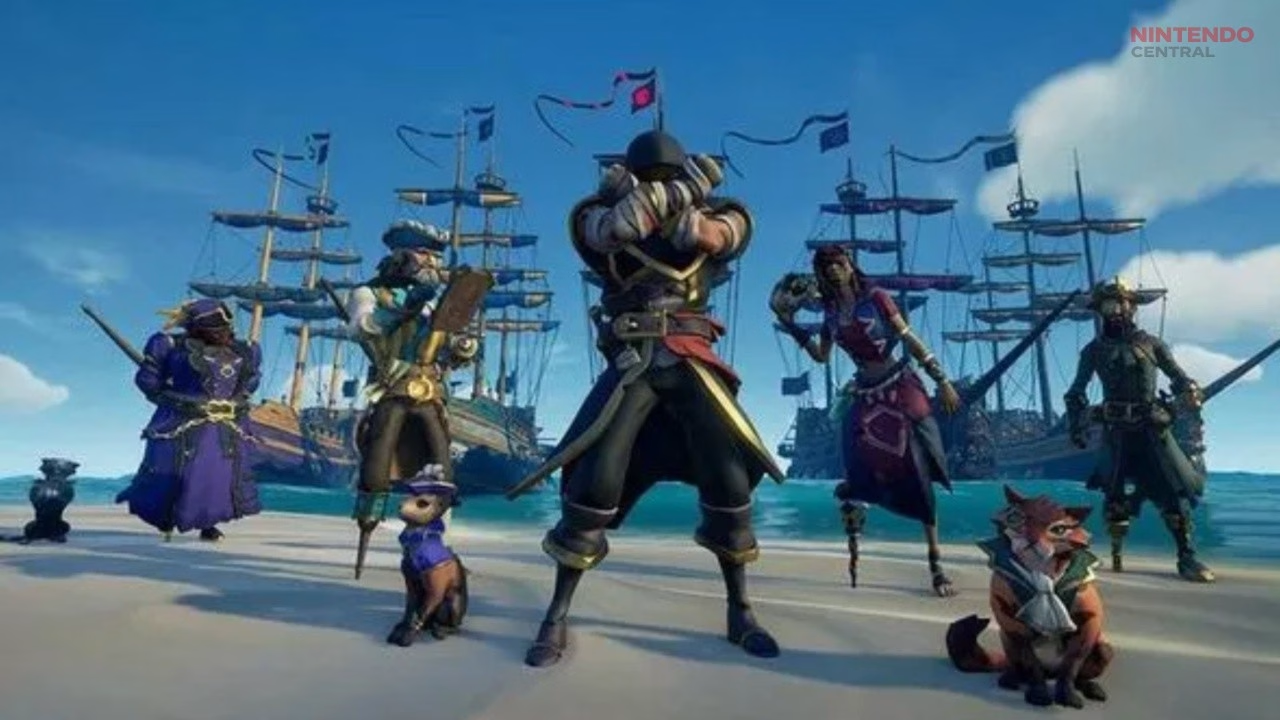
Sea of Thieves PS5 Cross-Play Multiplayer Features and Gameplay Improvements Overview
The experience also includes the PS5 version of Sea of Thieves, which supports cross-play and cross-progression. Players need to connect a Microsoft account to access their profile, making it possible to carry progress across different platforms and play with friends no matter what system they use. This cross-platform integration stands out as one of the game’s strongest technical features, although the setup process can sometimes feel a bit inconsistent.
However, platform differences do exist. Some legacy cosmetics tied to Xbox branding do not carry over to PlayStation accounts, which may disappoint long-time players. While this does not affect gameplay, it highlights the fragmented nature of platform-exclusive content in an otherwise unified cross-play system.
Multiplayer remains one of the game’s strongest features. Forming crews with friends is simple, and drop-in functionality makes it easy to join ongoing sessions. Ships can be managed more flexibly than in earlier versions, improving accessibility for casual play sessions. The experience is at its best when played cooperatively, as coordination is essential for ship combat and large-scale encounters.
Playing with random teammates, however, remains inconsistent. While matchmaking places players into appropriately sized crews, coordination can be difficult without communication. Since ship management requires constant teamwork, disorganized crews can quickly turn voyages into chaotic experiences rather than smooth adventures.
The game’s themed story adventures, including crossover content inspired by Pirates of the Caribbean and Monkey Island, represent one of its most creative directions. These missions offer structured storytelling, boss fights, and new mechanics that differ from standard sandbox gameplay. They demonstrate what Sea of Thieves can achieve when it leans into narrative design rather than pure open-ended systems.
Despite their strengths, these adventures have a notable limitation: they cannot be paused or resumed mid-chapter. Players must complete each section in a single session, or progress is lost. This design choice can be frustrating, particularly for those with limited playtime, as it discourages flexible engagement.
Traversal and underwater exploration remain weaker aspects of the experience. Movement underwater feels slow and heavy, especially when moving through wrecks or tight spaces. This often leads to awkward navigation during treasure hunts, interrupting the otherwise smooth flow of exploration above the surface.
Combat remains simple and accessible. Players rely on swords for melee engagements and a small selection of firearms for ranged combat. While effective, the system has not evolved dramatically over time. New additions such as dual pistols and throwing knives provide minor variety, but the core combat loop remains largely unchanged.
Visually, Sea of Thieves continues to perform well across platforms. The PS5 version offers strong resolution and stable performance, with subtle improvements in asset detail and shadow quality. While differences between console versions are not dramatic, the game maintains a consistent and polished visual style that suits its stylized art direction.
Quest variety has improved significantly compared to earlier versions of the game. There are now more frequent objectives, including Tall Tales, which provide structured story experiences within the open world. These missions add narrative depth and encourage exploration beyond simple treasure collection.
Loot variety has also expanded. Players encounter more types of chests, skulls, and rare items during voyages, making exploration feel more rewarding. An automatic logging system helps track treasure placed on ships, improving organization and reducing confusion during busy sessions.
Ship ownership and captaincy systems further enhance progression by allowing players to invest in their vessels and unlock additional customization and mission options. This feature gives players a stronger sense of identity within the world, particularly for those who prefer solo or small-crew play.
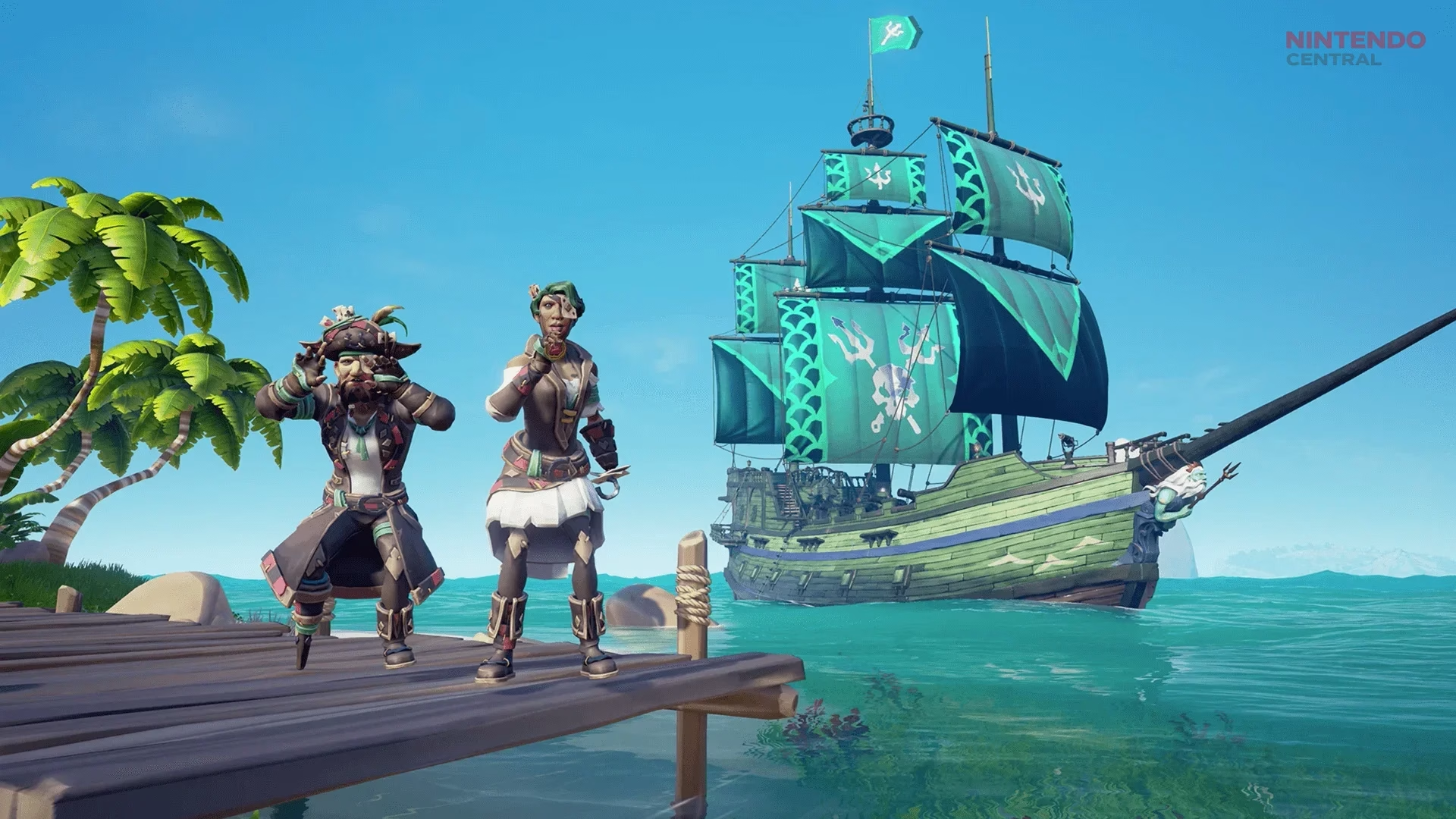
Sea of Thieves Season 2 Expands Content While Keeping Cosmetic Progression Focused
Despite these improvements, the core progression system remains heavily cosmetic. Players earn gold, reputation, and visual rewards, but there is no permanent power growth that changes gameplay over time. This design keeps balance intact but can make long play sessions feel repetitive, especially when rewards do not significantly alter future performance.
Sea of Thieves Season 2 succeeds as a meaningful expansion rather than a reinvention. It adds depth to trading, improves world events, and introduces more structured ways to engage with the sandbox. The PS5 release also strengthens accessibility and performance while expanding the player base through cross-play.
At the same time, the game still carries familiar limitations. Progression is shallow in terms of gameplay impact, underwater movement remains clunky, and long-term engagement depends heavily on player creativity and social interaction. The experience is strongest when played with friends who enjoy emergent storytelling and cooperative chaos.
Sea of Thieves continues to thrive as a shared-world pirate simulator rather than a traditional progression-driven game. Season 2 reinforces that identity with more systems layered onto its foundation, making the seas feel busier and more rewarding, even if the core structure remains unchanged.