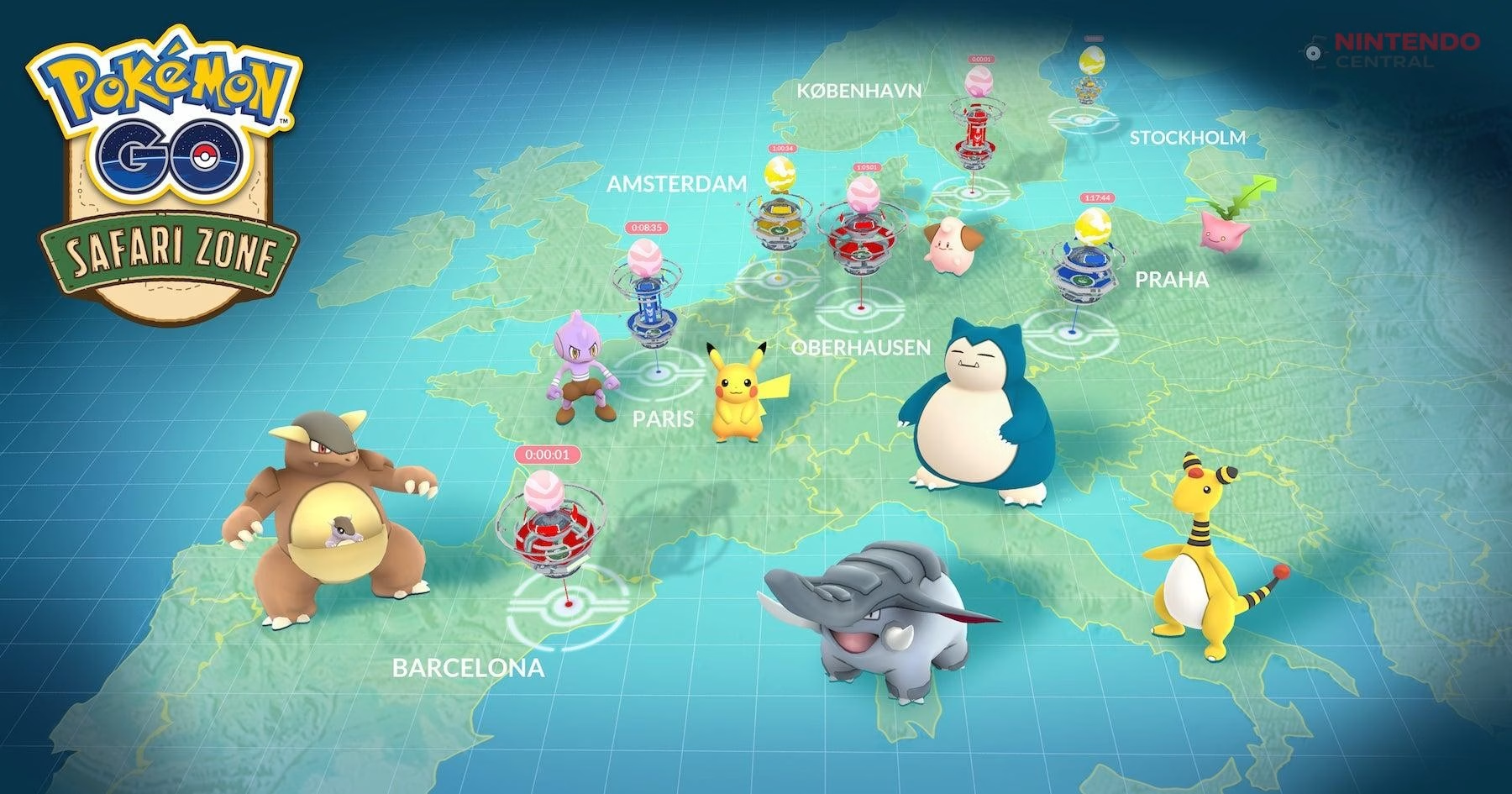
Pokémon GO Safari Zone events are some of the biggest live experiences in the game. Unlike standard in-game events that players can access from anywhere, Safari Zone events are location-based celebrations that encourage trainers to explore real-world cities, parks, and landmarks while catching exclusive Pokémon and participating in special activities.
Since the first Safari Zone events launched in 2017, these gatherings have evolved into large-scale tourism and community events attracting thousands of players from around the world. Over time, Niantic expanded the format into newer “City Safari” events, allowing players to explore entire cities instead of being limited to one park or event zone.
Safari Zone events are known for rare Pokémon spawns, region-exclusive encounters, increased shiny rates, themed Special Research, and event-only bonuses. However, many players still wonder how these events actually work, whether tickets are worth buying, and what they should realistically expect from attending one. Let’s break down how Pokémon GO Safari Zone events function and why they remain some of the game’s most unique experiences.
What Is a Pokémon GO Safari Zone Event?
Safari Zone events are special live Pokémon GO gatherings hosted in real-world locations. These events typically require tickets and feature exclusive Pokémon spawns, event-themed research tasks, and bonuses unavailable during normal gameplay.
Niantic’s official Pokémon GO City Safari page explains that these events are designed around city exploration, themed wild encounters, and event-exclusive Special Research. Ticket holders gain access to unique gameplay features while exploring the host city.

Earlier Safari Zone events were usually centered around large parks or designated areas. Modern City Safari events expanded the format so players can participate across an entire city rather than staying inside one event zone.
This shift made Safari events feel more like citywide Pokémon adventures. Players often visit landmarks, restaurants, tourist attractions, and shopping districts while hunting Pokémon throughout the event area.
Safari Zone events have taken place in cities such as Montreal, Liverpool, Taipei, Seoul, Barcelona, Singapore, and Miami. According to historical event summaries, these gatherings have attracted tens of thousands of players and generated significant tourism activity for host cities.
Safari Zone Events Usually Require Tickets
Most Safari Zone and City Safari events are ticketed. Players typically purchase access through Pokémon GO’s in-game Events menu.
Niantic’s support documentation explains that players must buy event tickets directly through Pokémon GO to participate in live events such as Safari Zone and City Safari experiences.
Ticket prices vary depending on the event and optional add-ons. Recent City Safari events, including Miami 2025, offered one-day tickets with additional purchasable bonuses such as Egg hatch boosts or raid-focused rewards.
Some events also allow players to purchase extra-day access if the event runs across multiple days. These add-ons often include extended shiny boosts, additional Special Trades, and bonus raid rewards.
Unlike free seasonal events, Safari Zone tickets are generally limited. Popular locations sometimes sell out quickly because of the high demand for exclusive Pokémon and live community experiences.
Rare Pokémon and Regionals Are the Main Attraction
One of the biggest reasons players attend Safari Zone events is access to rare Pokémon and region-exclusive species.
Historically, Safari Zones have frequently featured Pokémon unavailable in the host player’s home region. Earlier events included regionals like Tropius, Corsola, and Unown forms.
Modern City Safari events continue this trend by introducing special Pokémon spawns and event exclusives. For example, the official Miami City Safari announcement confirmed that Mudbray would debut during City Safari 2025 events before becoming globally available later.
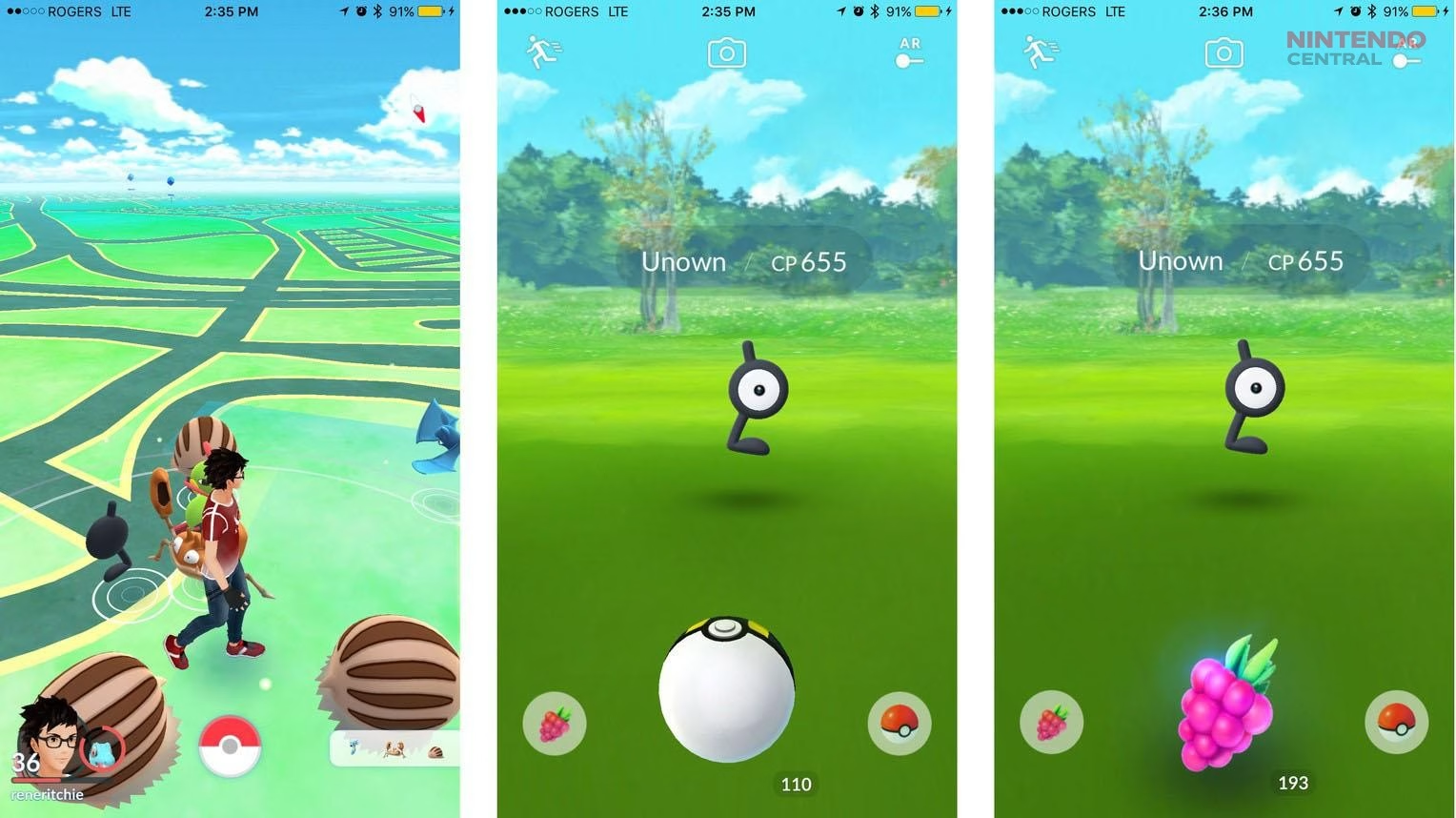
Unown forms are another major feature of Safari events. Different cities often receive unique Unown letter combinations tied to the location or event theme. Because Unown remains extremely rare outside events, these encounters are highly valuable for collectors.
Safari Zone events also typically feature increased shiny rates for select Pokémon. While Niantic rarely confirms exact shiny odds, players consistently report significantly boosted shiny encounters during Safari events. Community discussions on Reddit also describe Safari Zones as having shiny rates comparable to GO Fest events in many cases.
For collectors and shiny hunters, these boosted encounter rates are one of the biggest reasons to attend Safari Zones.
Special Research and Bonuses Are Exclusive to Ticket Holders
Ticket holders receive exclusive gameplay bonuses during Safari Zone events. These bonuses often include Special Research, increased trade rewards, Incense boosts, and extended Lure durations.
The official Pokémon GO City Safari Miami page confirmed bonuses such as increased shiny encounters, up to five Special Trades per day, reduced Stardust trade costs, and four-hour Lure Module durations.
Special Research is usually themed around the host city and often rewards exclusive Pokémon encounters. Miami’s City Safari event included an Explorer Hat Eevee that could evolve into multiple themed Eeveelutions.
Recent City Safari events also introduced GO Stamp Rally systems. These mechanics encourage players to visit landmarks and PokéStops throughout the city to collect digital stamps and unlock rewards.
Add-on bonuses are another important feature. Raid Lover add-ons often provide extra Raid Passes, Candy bonuses, and increased raid XP, while Egg-focused add-ons reduce hatch distance and improve hatch rewards.
These layered bonuses are designed to encourage players to stay active throughout the event instead of focusing on only one gameplay system.
Safari Zone Events Are Built Around Exploration
Unlike GO Battle League or raid-focused events, Safari Zones emphasize real-world exploration.
Niantic’s official event descriptions repeatedly describe City Safari events as opportunities to experience local culture and landmarks while playing Pokémon GO.
This exploration aspect is one reason Safari Zones feel different from regular gameplay. Players often spend the day walking through entire cities, meeting other trainers, and visiting famous tourist areas while completing event objectives.
The City Safari format especially encourages slower exploration compared to traditional park-based Safari Zones. Because gameplay is spread across an entire city, players can approach the event more casually and customize their routes.
For many attendees, the social experience becomes just as important as the Pokémon themselves. Safari Zones often create large gatherings of Pokémon GO players trading shinies, battling raids together, and exploring cities collectively.
This real-world interaction remains central to Pokémon GO’s identity and is one reason Niantic continues investing heavily in live events.
Remote and Pandemic-Era Safari Changes Changed the Format
Safari Zone events changed significantly during the COVID-19 pandemic. Originally, these events were designed almost entirely around physical attendance.
However, postponed Safari Zones in cities like Liverpool, Philadelphia, and St. Louis eventually allowed ticket holders to access event spawns remotely from their local areas.
Reddit discussions from affected players explained that Safari spawns became tied to the player account rather than the physical event location during these makeup events. Ticket holders could encounter Safari Pokémon from home during their assigned time slots.
These temporary adjustments showed that Safari gameplay could function outside designated physical zones, although Niantic later returned focus toward in-person experiences once live events resumed.
The pandemic era also influenced the development of modern City Safari events, which now spread gameplay across entire cities rather than concentrating all activity in crowded parks.
Are Safari Zone Events Worth Attending?
For dedicated Pokémon GO players, Safari Zone events are usually considered worthwhile experiences.
The biggest advantages are access to rare Pokémon, boosted shiny encounters, exclusive research, and live community interaction. Players interested in shiny hunting or collecting region-exclusive Pokémon often gain tremendous value from these events.
However, the total cost can become expensive. Tickets, travel, hotels, food, and optional add-ons can quickly turn Safari Zones into major travel expenses. Players attending from overseas may spend significantly more than casual attendees.
The value therefore depends heavily on player goals. Collectors, shiny hunters, and highly social players typically benefit the most from Safari events. Casual players who mainly play from home may find the cost harder to justify.

Still, Safari Zone events remain one of the few experiences in Pokémon GO that truly combine travel, exploration, and live community gameplay into a single event format.
Safari Zones Remain One of Pokémon GO’s Most Unique Features
Pokémon GO Safari Zone events continue to stand out because they combine real-world exploration with exclusive gameplay rewards. From rare Pokémon and boosted shiny rates to citywide adventures and live community gatherings, these events offer experiences unavailable during standard gameplay.
Niantic has steadily expanded the format through City Safari events, making exploration and tourism an even bigger part of the experience. Recent events continue introducing exclusive Pokémon, themed research, and city-focused gameplay systems that encourage trainers to explore beyond traditional event zones.
For players willing to travel and participate actively, Safari Zones remain some of the most memorable events Pokémon GO has to offer.
Safari Zone events also offer long-term value beyond the event day itself, especially for players focused on trading and collection building. Many Pokémon caught during these events, including Unown forms, regionals, and shiny variants, become valuable trade assets in the future. Because these Pokémon are often limited-time or location-exclusive, they can be difficult to obtain once the event ends.
This makes Safari Zone participation particularly beneficial for players who engage in trading communities or Lucky Trades. Over time, these rare catches can help players complete Pokédex entries, secure Lucky Pokémon, and build stronger teams through trades that would otherwise be impossible without attending such events.