Niantic’s Pokémon GO continues to evolve through constant updates, system adjustments, and gameplay refinements that directly affect how players encounter Pokémon in the wild. One of the most discussed recent changes involves the potential relocation of rare spawn nests, a feature that has sparked strong reactions within the global player community.
Rare spawn nests have always been a key attraction in Pokémon GO because they increase the chances of encountering uncommon Pokémon in specific locations. These areas often become community hotspots where players gather in hopes of catching valuable or hard-to-find creatures. However, Niantic has recently indicated that it is considering adjusting or relocating some of these rare spawn nests to improve gameplay balance and engagement.
Niantic Addresses Spawn Rate Changes Glitches And Seasonal Rare Pokémon Distribution Updates
The company has acknowledged that players have noticed various changes in spawn rates and item usage, including concerns about wasted Poké Balls and inconsistent rare Pokémon appearances. Niantic has attributed many of these issues to technical errors and ongoing system updates rather than intentional design flaws. Despite frustration from some players, the company maintains that regular adjustments are necessary to keep the game stable and engaging.
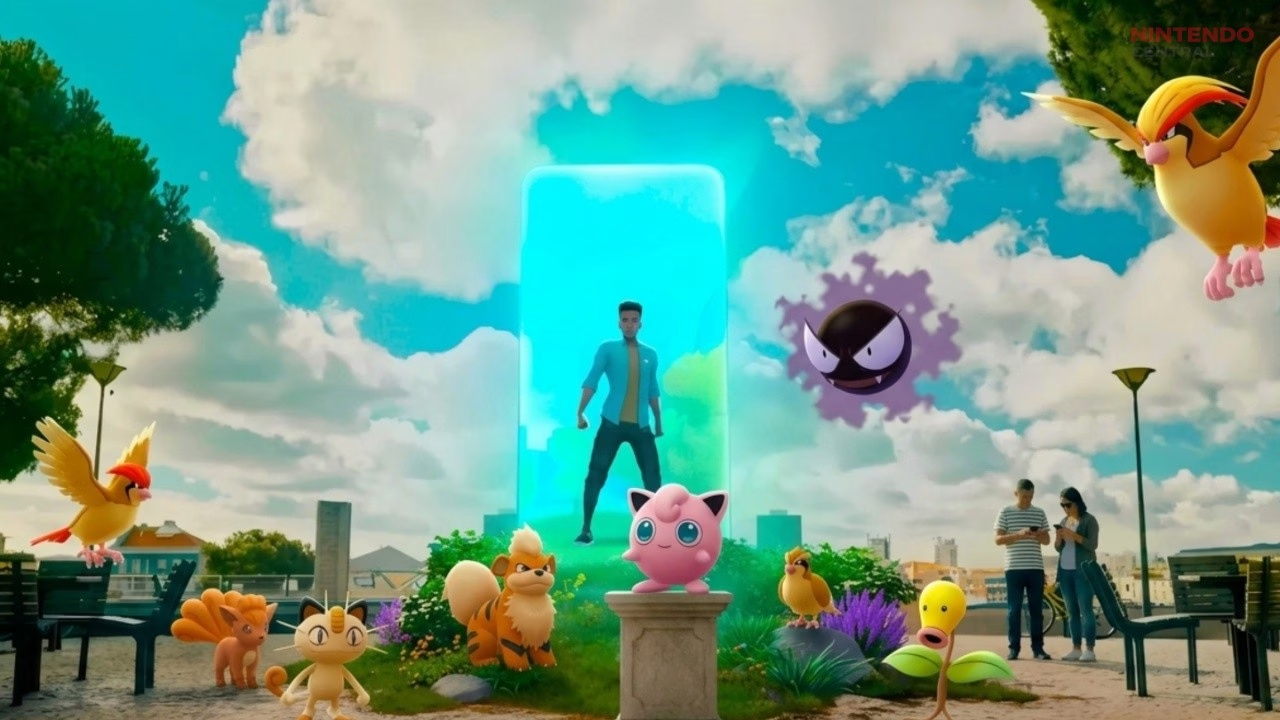
Reports have also highlighted past spawning glitches involving Pokémon such as Dratini, where unexpected or irregular spawn behavior was observed. Although these issues were later addressed, concerns remain that similar glitches could affect other rare Pokémon in the future. Even so, Niantic has confirmed that rare Pokémon will not be removed from the game, reassuring players that core gameplay elements remain intact.
Recent updates and seasonal changes have also influenced rare Pokémon distribution. In 2025, players reported increased appearances of Pokémon such as Gible, Blissey, and Galarian Yamask, often tied to limited-time events or seasonal rotations. Special events, such as regional celebrations, have historically boosted spawn rates for specific Pokémon, making timing an important factor in rare encounters. Additionally, features like Daily Adventure Incense continue to play a significant role in helping players locate rare spawns outside of traditional habitats.
Biome Systems Shape Spawns While Players Debate Home Encounter Possibilities And Mechanics
Spawn behavior is also influenced by biome systems, meaning certain Pokémon are more likely to appear near water, forests, or urban environments. This creates a dynamic system where location significantly impacts gameplay experience. Niantic’s design encourages exploration, requiring players to travel and engage with different environments to maximize their chances of rare encounters.
Beyond official updates, player theories have emerged about how Pokémon spawning might work within homes. Some suggest that geolocation-based systems could allow Pokémon to spawn even in residential areas, particularly if multiple accounts or devices are used in a single location. While this idea has circulated within the community, it often conflicts with Niantic’s terms of service and is not officially supported. Still, it highlights how deeply players analyze and experiment with game mechanics.
At its core, Pokémon GO continues to balance accessibility, exploration, and unpredictability. While spawn adjustments and rare nest changes can frustrate players, they are part of a broader effort to keep the game active and engaging. Through events, biome diversity, and evolving spawn systems, Niantic ensures that the hunt for rare Pokémon remains unpredictable and rewarding, even as the game continues to change over time.