When Microsoft announced plans to acquire Activision Blizzard in January 2022, the gaming industry immediately recognized it as a historic moment. Valued at nearly $69 billion, the acquisition became the largest gaming deal ever attempted and one of the biggest technology acquisitions in history. The deal brought some of gaming’s most valuable franchises under Microsoft’s control, including Call of Duty, World of Warcraft, Diablo IV, Overwatch 2, and Candy Crush Saga.
However, the acquisition quickly evolved into a global regulatory battle involving governments, antitrust agencies, rival companies, and cloud gaming concerns. The process stretched across nearly two years as regulators in the United States, United Kingdom, and Europe investigated whether the merger would hurt competition in gaming.
The Microsoft-Activision Blizzard deal ultimately reshaped conversations around consolidation, subscription services, cloud gaming, and the future of the gaming business. Here is the full timeline, the reasons behind the controversy, and the long-term impact the acquisition continues to have on the industry.
Why Microsoft Wanted to Buy Activision Blizzard
Microsoft’s gaming ambitions had already expanded significantly before the Activision Blizzard acquisition. The company previously acquired ZeniMax Media, bringing Bethesda franchises like The Elder Scrolls V: Skyrim and Fallout 4 into the Xbox ecosystem. But Activision Blizzard represented something much larger.
According to Microsoft’s public statements and regulatory filings, the acquisition was designed to strengthen Xbox Game Pass, mobile gaming reach, cloud gaming infrastructure, and long-term content ownership.
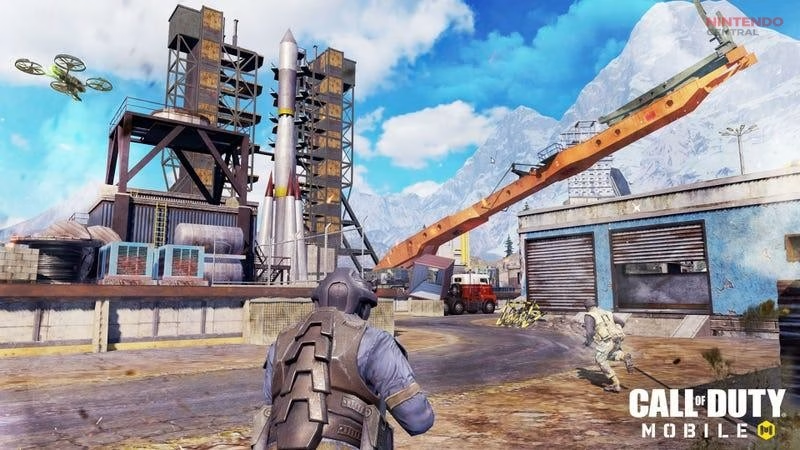
Activision Blizzard owned some of the most commercially successful gaming franchises in the world. Call of Duty alone generated billions annually, while Blizzard’s portfolio included major PC franchises with long-term player bases. King, the mobile division behind Candy Crush, also gave Microsoft a major presence in mobile gaming for the first time.
The acquisition was also tied heavily to Microsoft’s broader ecosystem strategy. Executives repeatedly emphasized cloud gaming, subscriptions, and cross-platform services as key future growth areas. Academic analysis published through Oxford’s Journal of European Competition Law & Practice noted that Microsoft viewed the acquisition as an important step toward growth across console, PC, mobile, and cloud gaming sectors.
The Microsoft Activision Blizzard Deal Timeline
The acquisition process lasted from January 2022 to October 2023 and became one of the most heavily scrutinized gaming mergers ever attempted.
January 2022: Microsoft Announces the Deal
Microsoft officially announced its intent to purchase Activision Blizzard for $68.7 billion on January 18, 2022. The acquisition price eventually reached roughly $75.4 billion after completion costs.
The announcement surprised the gaming industry because of the scale of the acquisition. It immediately raised questions about exclusivity, industry consolidation, and Microsoft’s long-term plans for Call of Duty.
2022: Regulatory Reviews Begin Worldwide
Following the announcement, regulators across multiple countries launched antitrust investigations.
The United Kingdom’s Competition and Markets Authority (CMA), the European Commission, and the U.S. Federal Trade Commission (FTC) became the most important regulatory bodies involved in the case. Sony publicly criticized the merger, expressing concern that Microsoft could eventually make Call of Duty exclusive to Xbox platforms.
Microsoft responded by publicly promising long-term Call of Duty availability on competing platforms, including PlayStation.
2023: The Regulatory Battle Intensifies
The acquisition faced its biggest obstacle in 2023.
In April 2023, the UK CMA officially blocked the merger, arguing that Microsoft’s control over Activision content could harm competition in the cloud gaming market. The regulator specifically worried Microsoft already held major advantages through Windows, Azure cloud services, and Xbox Cloud Gaming.
The European Union later approved the acquisition in May 2023 after Microsoft agreed to cloud gaming concessions.
Meanwhile, the FTC attempted to stop the acquisition in U.S. federal court. The agency argued the deal could reduce competition and give Microsoft excessive influence over subscription and cloud gaming services.
In July 2023, Microsoft won a major legal victory when a U.S. federal judge denied the FTC’s request for a preliminary injunction blocking the merger.
October 2023: The Deal Finally Closes
Microsoft eventually restructured parts of the agreement to satisfy UK regulators. The company transferred cloud streaming rights for Activision Blizzard games outside the European Economic Area to Ubisoft for ten years.
The CMA approved the revised structure on October 13, 2023, and Microsoft officially completed the acquisition the same day.
Why Regulators Were So Concerned
The acquisition became a major antitrust case because regulators believed Microsoft could gain too much power in emerging gaming markets.
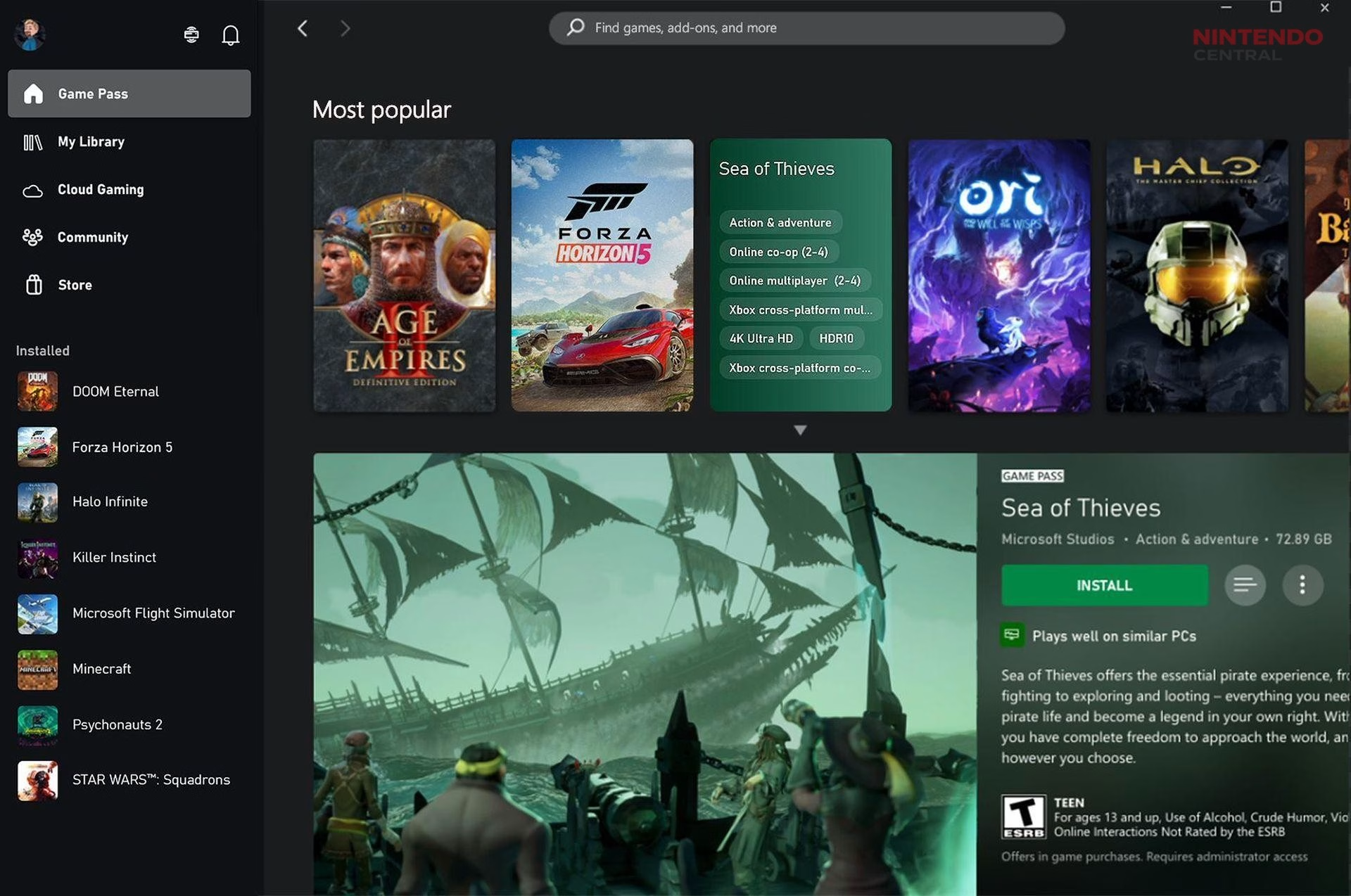
The biggest concern was cloud gaming rather than consoles alone. Regulators argued Microsoft already controlled important infrastructure through Windows, Azure, Xbox, and Game Pass. Adding Activision Blizzard’s massive game library could make Microsoft dominant in cloud gaming before the market fully matures.
Call of Duty became the symbolic centerpiece of the debate. Sony argued that losing equal access to the franchise could damage PlayStation’s competitive position significantly. Microsoft repeatedly denied plans to make the franchise Xbox-exclusive and signed multiple long-term agreements promising wider availability.
The FTC also argued the merger reflected a broader pattern of tech consolidation. Regulators worried large technology companies were increasingly acquiring content ecosystems that could lock users into proprietary subscription platforms.
Academic and legal analyses surrounding the merger highlighted how gaming was becoming more interconnected with cloud infrastructure, subscription services, and digital ecosystems rather than just hardware competition.
How the Deal Changed Xbox and Game Pass
The acquisition dramatically expanded Microsoft Gaming overnight.
Xbox gained control over Activision Publishing, Blizzard Entertainment, and King. This added major franchises across console, PC, and mobile gaming simultaneously.
Game Pass became one of the biggest long-term beneficiaries. Microsoft immediately positioned Activision Blizzard content as a major future advantage for the subscription service. Industry analysts widely viewed the acquisition as a content-driven strategy designed to strengthen Game Pass competitiveness against Sony and other rivals.
Mobile gaming was another major shift. Before the acquisition, Microsoft lacked a strong mobile gaming business. King’s Candy Crush franchise suddenly gave Microsoft access to one of the largest mobile audiences in gaming.
The acquisition also strengthened Xbox’s PC gaming position because Blizzard’s ecosystem already had a massive established PC audience through Battle.net and Warcraft-related franchises.
The Deal’s Impact on the Gaming Industry
The Microsoft-Activision merger accelerated fears about industry consolidation.
Many developers and analysts worried fewer giant publishers controlling more studios could reduce competition and creative diversity. The acquisition followed years of aggressive consolidation across gaming, including purchases by Sony, Embracer Group, Tencent, and Saudi-backed gaming investments.
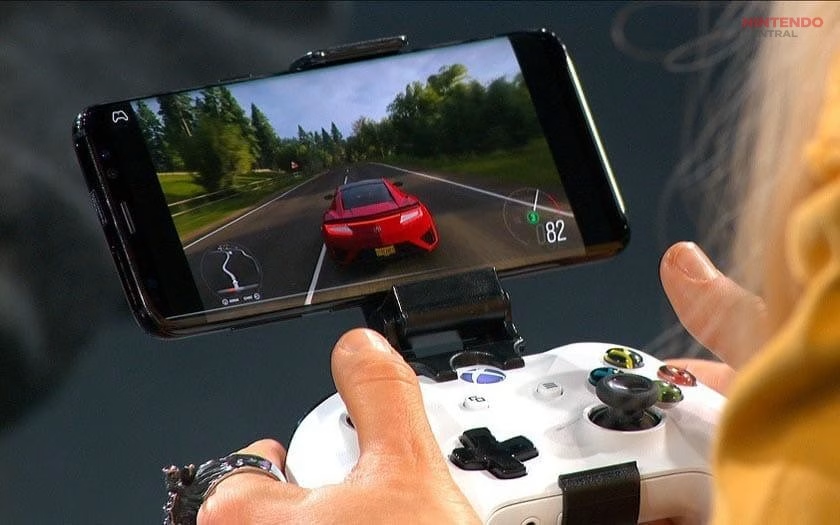
The deal also increased pressure on subscription models. Game Pass became an even larger industry force after the acquisition closed, leading publishers and competitors to rethink long-term distribution strategies.
Cloud gaming also became a far bigger discussion point because regulators openly acknowledged it as a potentially transformative future market. The CMA’s opposition showed governments were no longer evaluating gaming mergers solely around consoles.
Another major consequence involved layoffs and restructuring. Following the acquisition, Microsoft Gaming experienced significant workforce reductions during broader corporate restructuring efforts. The FTC later argued some layoffs contradicted Microsoft’s earlier claims that the companies would operate relatively independently post-merger.
The merger also sparked ongoing debates around pricing and subscriptions. Critics pointed to later Game Pass price increases and Xbox pricing changes as evidence that growing consolidation could eventually reduce consumer leverage.
What Happened to Activision Blizzard Leadership?
The acquisition brought major leadership changes.
Former Activision Blizzard CEO Bobby Kotick remained temporarily after the acquisition closed but officially departed the company in December 2023.
Several Blizzard executives also left during restructuring periods in 2024. Microsoft later appointed Johanna Faries, previously associated with Call of Duty leadership, as Blizzard’s new president.
The leadership changes symbolized Microsoft’s broader integration of Activision Blizzard into its Xbox ecosystem.